
The Silver Lining
Play The Silver Lining
The Silver Lining Screenshots


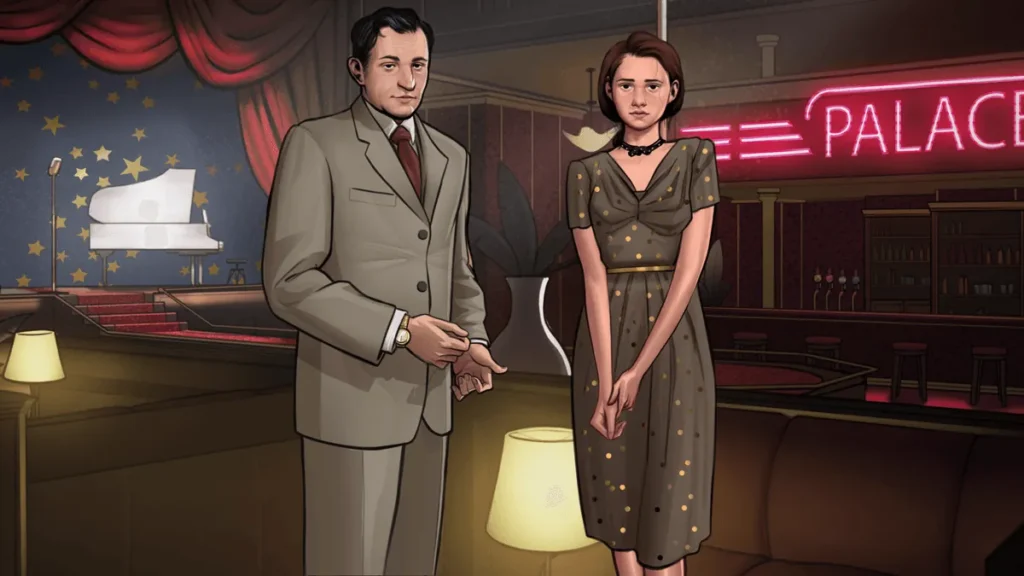
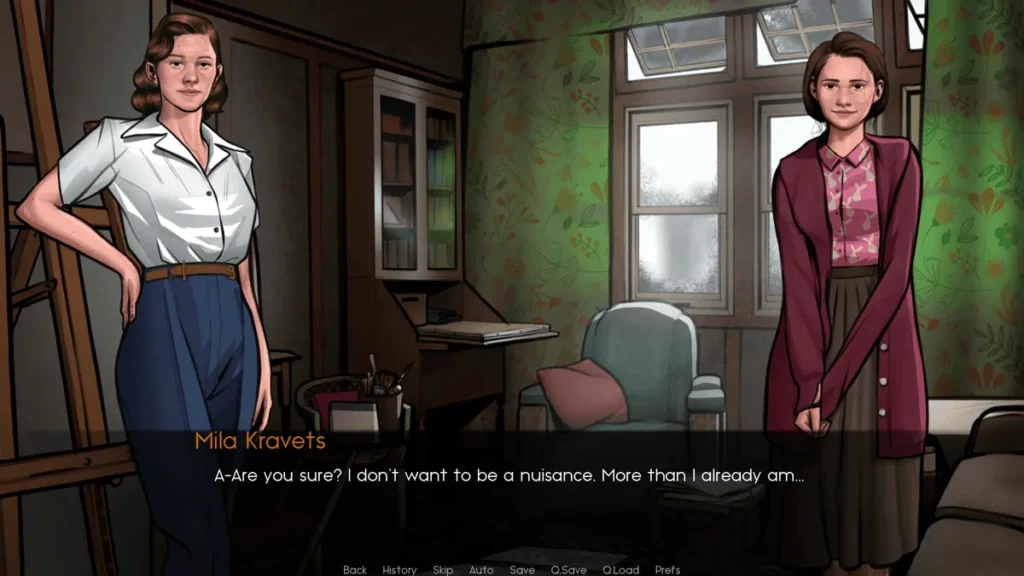

The Silver Lining review
Explore the immersive 1940s narrative experience with multiple endings and character-driven storytelling
The Silver Lining is an indie visual novel developed by NamusWill that transports players to a fictionalized 1940s America. The game follows a young refugee girl and her family as they flee war and navigate a complex web of intrigue while building new lives in a foreign country. With its focus on player choice, multiple endings, and mature storytelling, The Silver Lining has garnered attention for its atmospheric narrative design and character-driven gameplay. Whether you’re interested in visual novels, interactive fiction, or story-rich experiences, understanding what this game offers can help you decide if it’s right for you.
Game Overview and Story Setting
Have you ever played a narrative game that stayed with you for days, its characters feeling like old friends and its dilemmas echoing in your quiet moments? That’s the unique magic of a well-crafted visual novel, and The Silver Lining visual novel is poised to be exactly that kind of experience. It’s more than just a game; it’s a portal to a meticulously reconstructed past, a test of your empathy, and a story where your voice truly matters. Let’s pull back the curtain and step into its world.
What is The Silver Lining?
At its heart, The Silver Lining is a deeply immersive, choice-driven narrative built with the beloved Ren’Py game development engine. Created by the developer NamusWill, this project represents a passionate foray into historical fiction and interactive drama. Think of it less as a traditional “game” with scores and levels, and more like living inside a dynamic, illustrated novel where you steer the plot.
You don’t just watch the story unfold—you are the story. Every dialogue option, every major decision, and every relationship you nurture directly shapes the journey and, ultimately, its conclusion. This focus on player choice narrative game mechanics means your personal values and instincts are constantly being tested. Will you choose cautious survival or bold risk-taking? Trust or suspicion? The path is yours to carve.
Currently, as of June 2025, the game is in a state of active development at version 0.9. This “in-development” status is actually a thrilling opportunity for players. It means you can experience a substantial, gripping portion of the story now and witness the evolution of this refugee story interactive fiction as it grows. Your feedback and engagement can even become part of its creative journey!
To give you the full picture at a glance, here are the key specifications:
| Developer | NamusWill |
|---|---|
| Engine | Ren’Py |
| Platforms | Windows, Mac, Linux (PC) |
| Current Version | 0.9 (as of June 2025) |
| Status | In Active Development |
| Core Genre | Historical Drama / Visual Novel |
| Narrative Focus | Character-Driven, Multiple Endings |
A Quick Note: Given its mature and historically grounded themes, The Silver Lining includes content warnings for depictions of war, displacement, prejudice, and survival struggles. It approaches these topics with respect and narrative purpose, offering a poignant, rather than gratuitous, experience. ✨
The 1940s America Setting and Narrative Framework 🗽
Forget generic backdrops. The world of The Silver Lining is a character in itself. This 1940s America narrative game doesn’t just use the era for aesthetic—it weaves the very fabric of the time into every challenge your character faces. We’re not in a photorealistic history textbook, but in a fictionalized, evocative version of America, pulsing with the era’s tensions, hopes, and stark realities.
The year is 1944. The world is engulfed in war, and even shores far from the front lines are rippling with its effects. This is the America of victory gardens and ration books, of swing music on the radio and anxious headlines in the paper. It’s a nation of immense opportunity shadowed by deep-seated suspicion. Into this complex landscape arrives your character: a young girl fleeing a devastating conflict with the remnants of her family.
This premise sets the stage for a powerful refugee story interactive fiction. Your goal is deceptively simple yet monumentally difficult: to survive, to rebuild, and to find a new home. But “home” is more than a roof. It’s safety, community, and a future. The narrative framework brilliantly uses this historical moment to explore timeless themes. You’ll navigate:
- The Bureaucratic Maze: Securing papers, finding work, and dealing with authorities who may view you with indifference or distrust.
- Cultural Chasms: Bridging the gap between your old life and bewildering new customs, language, and social rules.
- Societal Shadows: Encountering both the open-handed kindness of strangers and the closed-minded prejudice that wartime fear can breed.
The setting isn’t merely a painted backdrop; it’s the source of every obstacle and opportunity. The glimmer of the “American Dream” is always visible, but its path is fraught with the period’s authentic hardships. This makes every small victory—a friendly smile, a day’s honest pay, a moment of understanding—feel genuinely earned and incredibly sweet. 🏙️
Character Development and Player Agency
This is where The Silver Lining truly shines. The game is a masterclass in character-driven storytelling. You don’t play a blank slate, but a defined person with a history, fears, and a personality that you then guide through your choices. You are a refugee, yes, but you are also a daughter, a sister, and eventually, a friend or a rival to those you meet.
The characters you interact with are equally complex. They are not quest-givers or simple allies; they are individuals with their own motivations, biases, and secrets. The weary shopkeeper might offer you a job out of pity, or perhaps he needs cheap labor. The cheerful neighbor could be a genuine friend, or she might be gossiping about you to the whole street. You learn to read people, not just dialogue boxes. Building trust is a slow, deliberate process, and betrayals—or profound loyalties—carry real emotional weight.
This depth feeds directly into the game’s celebrated player choice narrative game design. Your agency is absolute and consequential. The game expertly avoids the illusion of choice; your decisions branch the narrative in meaningful ways.
- The Ripple Effect: A seemingly minor choice in Chapter 2—like helping a stranger or keeping to yourself—can determine who is willing to vouch for you in Chapter 4.
- Relationship Meters: Your interactions build invisible bonds (or create rifts) with key characters. These relationships unlock unique story paths, confidences, and potential endings.
- Moral Gray Areas: Rarely is there a simple “good” or “bad” choice. Is it better to tell a harsh truth to protect your family or a kind lie to preserve peace? The game respects your intelligence by presenting these difficult dilemmas.
And all of this intricate web of relationships and choices culminates in what makes this a standout multiple endings visual novel. We’re not talking about a simple “good, neutral, bad” finale. NamusWill has crafted endings that are thematic and emotional: Sweet, Bitter, and Bittersweet.
- A Sweet ending might see your family not just surviving, but truly thriving and finding belonging, against all odds.
- A Bitter ending could reflect the harshest realities of loss and broken dreams, where survival came at too great a cost.
- A Bittersweet ending, often the most haunting and realistic, acknowledges that in life, joy and sorrow are intertwined. You may have found safety, but left a part of your old life behind forever.
Your unique combination of major plot decisions and nurtured relationships dictates which of these resolutions you earn. This immense replay value is a hallmark of a sophisticated multiple endings visual novel. It invites you to go back, make different choices, and see how another version of “you” would fare in this challenging world.
In essence, The Silver Lining promises an experience where history feels personal, where characters become memories, and where your own moral compass is the only guide you have. It’s a testament to the power of the Ren’Py game development engine and, more importantly, to visionary storytelling in interactive form. This isn’t just a game you play; it’s a story you live, remember, and help create.
The Silver Lining stands out as a thoughtfully crafted visual novel that combines historical setting with mature storytelling and meaningful player agency. From its immersive 1940s America backdrop to its character-driven narrative and multiple branching paths, the game offers a unique experience for players seeking interactive fiction with depth and consequence. The active development cycle ensures that the game continues to evolve with new content, improved mechanics, and expanded storylines. Whether you’re drawn to the historical setting, the refugee narrative, or the relationship-building gameplay, The Silver Lining provides a substantial and engaging experience. For those interested in exploring this game, checking the official platforms and following development updates will keep you informed about new releases and features. The combination of accessibility across multiple platforms and the developer’s commitment to regular updates makes it an accessible choice for visual novel enthusiasts.