The Fate of Irnia
Play The Fate of Irnia
The Fate of Irnia Screenshots
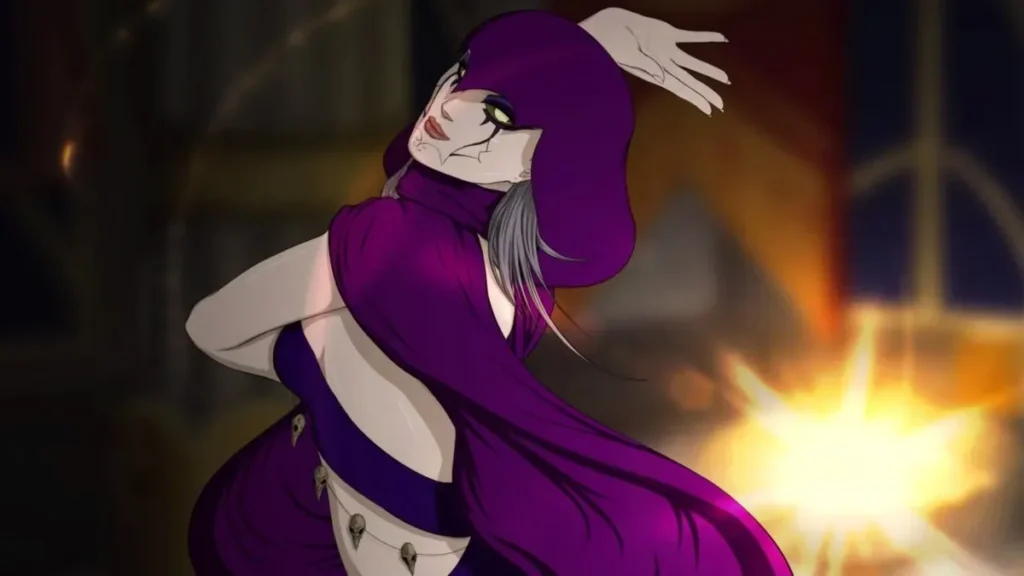
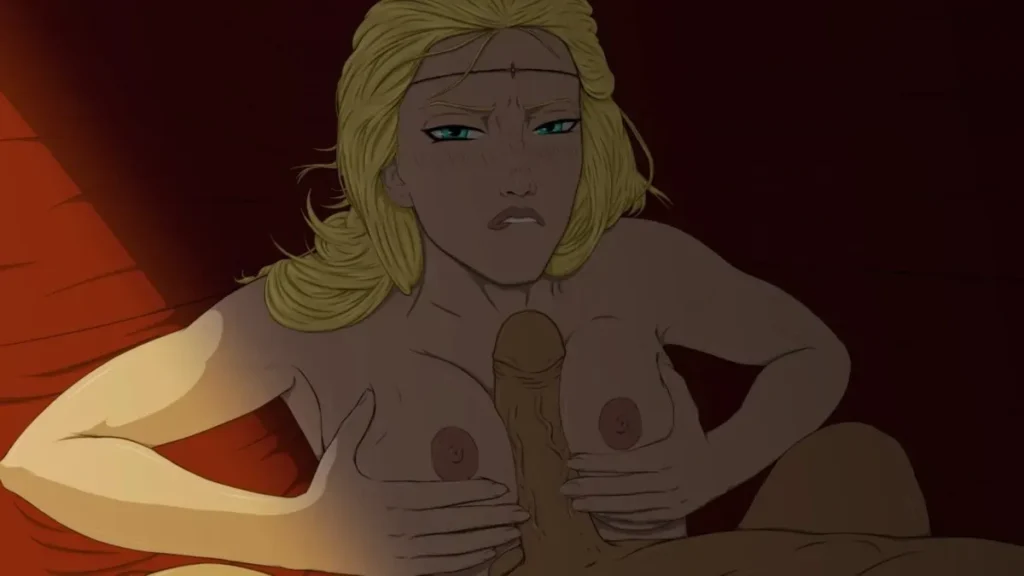
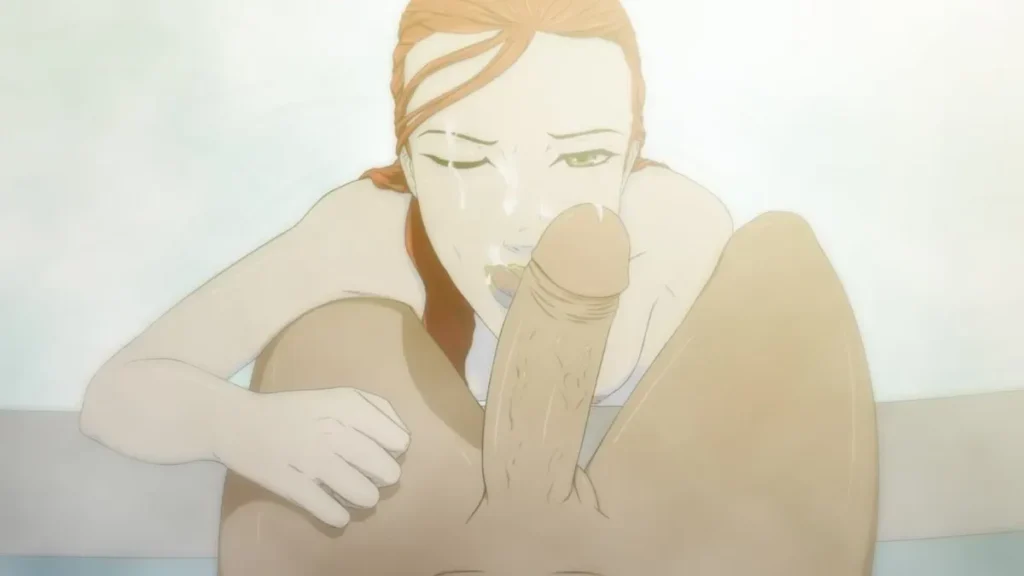
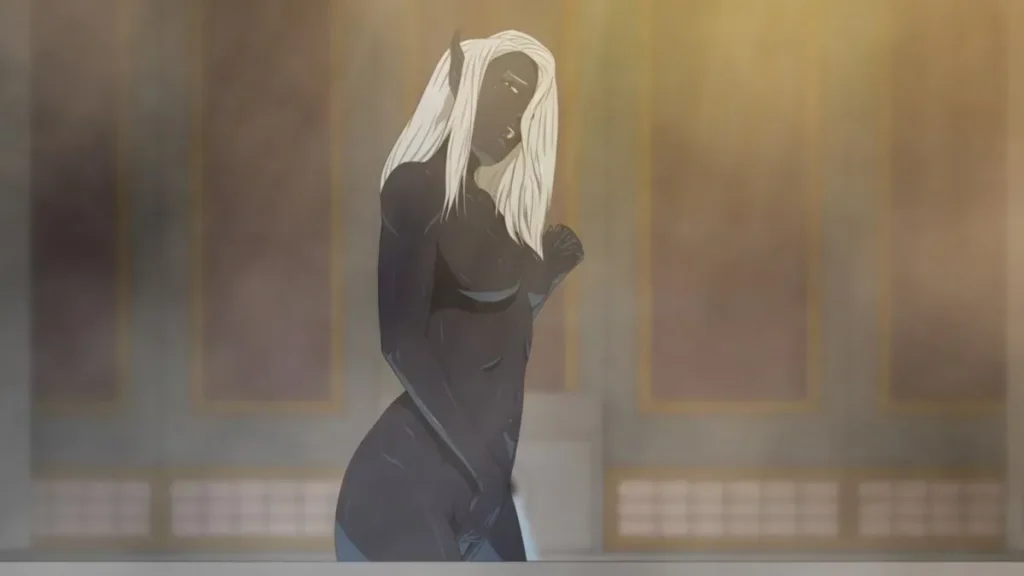
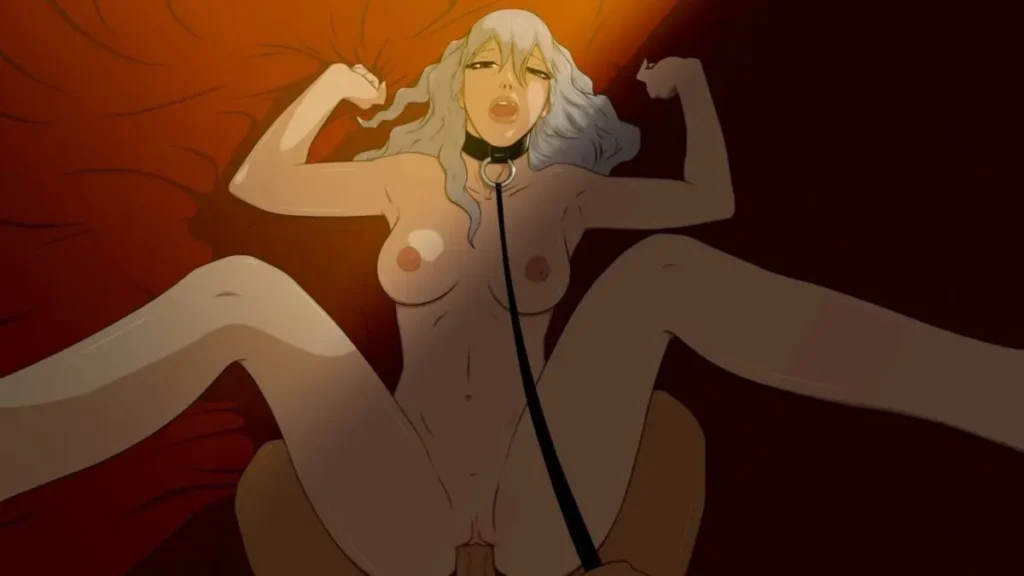
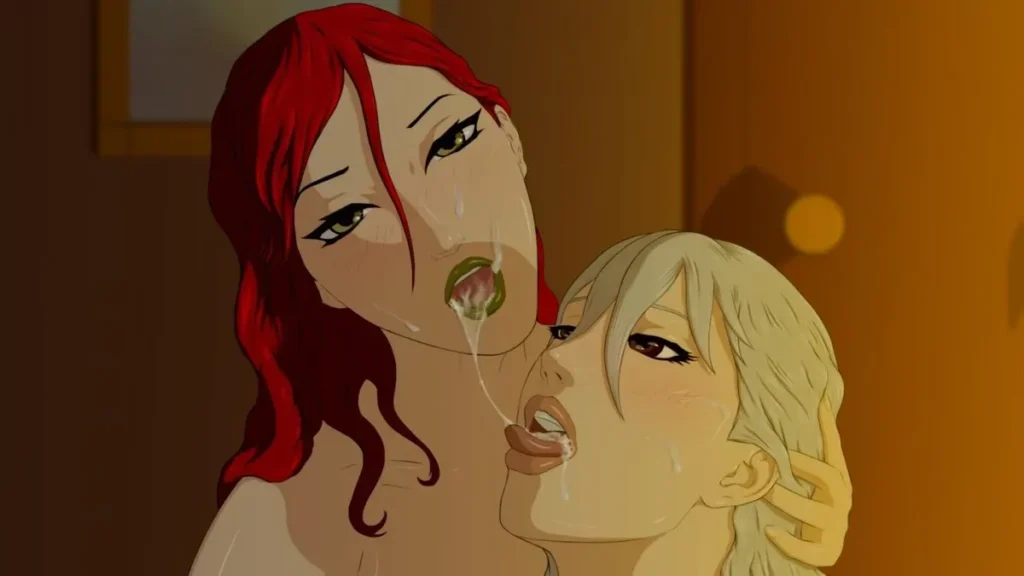
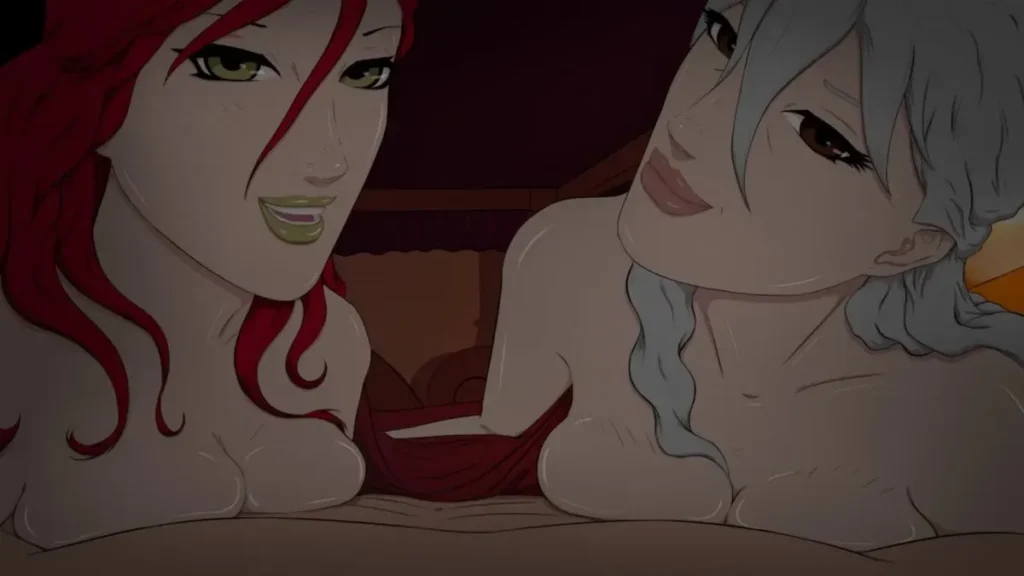
The Fate of Irnia review
Dive into a Fantasy World of Romance, Power, and Destiny-Shaping Decisions
Imagine inheriting a mysterious orb on your 17th birthday that whispers secrets of influence and desire, thrusting you into the heart of The Fate of Irnia. This gripping visual novel blends fantasy adventure with intimate relationships, where every choice ripples through the kingdom threatened by orc hordes. I remember my first playthrough—heart pounding as I navigated alliances and temptations, unlocking paths I never saw coming. Whether you’re drawn to heartfelt romances or high-stakes power plays, The Fate of Irnia delivers replayable depth that keeps you coming back. Let’s explore what makes this game a standout in adult gaming.
What Makes The Fate of Irnia Unmissable?
I still remember the first time I realized my words could reshape a kingdom. 😮 It was during the “Silent Woods Orc Invasion” crisis. My character, a fledgling diplomat, stood before a war council of elves and dwarves who were seconds from drawing blades on each other. The orc horde was advancing, and they were arguing about battle tactics. I had two Fate of Irnia choices: back the elven commander’s stealthy ambush plan or support the dwarven lord’s frontal defensive wall. On a whim, I suggested a third option—using a nearby, unstable magical ley line as a trap, a tactic my character had read about in an old book I’d bothered to pick up earlier. 🧙♂️
The room fell silent. The next hour of gameplay was entirely different because of that single suggestion. I had to personally broker the temporary alliance, convincing both proud leaders to listen to a newcomer. This unlocked a special mission where I led a mixed unit to lure the orcs, resulting in a spectacular, chaotic victory that left the forest scarred but saved. More importantly, it created a fragile but genuine bond between the two factions that echoed through the rest of my playthrough. That is the magic of The Fate of Irnia. It’s not just about what you do; it’s about who you become and how the world bends in response.
So, what is The Fate of Irnia? At its heart, it’s a fantasy experience where you don’t just witness a story—you author it with every decision. The promise of true Irnia game endings that feel uniquely yours is what sets it apart. Forget simple good or evil paths; here, your moral compass is your own, and the consequences are beautifully complex. Let’s dive into why this game is an unmissable journey for anyone who loves to get lost in a world of their own making.
How Player Choices Shape Irnia’s Destiny
The core of The Fate of Irnia is its incredible branching narrative. Think of the story not as a track, but as a vast, living tree. Every branch represents a different path forged by your Fate of Irnia choices. These aren’t just big, world-shaking decisions (though there are plenty of those!), but also the small, quiet moments that define your relationships.
Let me paint a picture with a tense council scene. You’re trying to secure aid from the reclusive Sun Elf Grove. The High Arbiter is cold, dismissive of “lesser races.” 🧝♂️
* Choice A: Challenge her authority publicly with a sharp retort (Gaining respect from a human ambassador watching, but permanently alienating the elves).
* Choice B: Appeal to her sense of ancient history, referencing a shared cultural hero (A difficult knowledge check, but if you pass, her demeanor softens, opening a path to negotiation).
* Choice C: Say nothing, but later, seek out her more pragmatic second-in-command in the gardens to make a private, tactical deal (Unlocks a secret alliance, but risks the Arbiter’s wrath if discovered).
Each path leads to a completely different sequence of events, allies, and available resources for the coming war. This ripple effect is constant. Helping a beggar in the first city might later reveal them as a spy who repays your kindness with crucial information. Snubbing a minor noble could see them rise to power and block your diplomatic efforts dozens of hours later.
This extends deeply into character bonds. Your companions aren’t just following you; they’re reacting to you. A warrior companion might evolve into a loyal friend, a bitter rival, or even a romantic partner based on your dialogue, whose side you take in arguments, and the values you demonstrate through actions. I once saw a streamer accidentally turn a potential romance into a vengeful enemy because they consistently prioritized magical research over the companion’s personal quest for vengeance. The branching narrative Irnia offers is so dense that it makes every interaction feel charged with potential. You’re not clicking through dialogue; you’re building a legacy.
The Magical Orb: Your Key to Influence and Romance
Now, let’s talk about the game’s most fascinating tool: the magical orb Irnia bestows upon you early in your journey. This isn’t just a stat-boosting trinket. It’s a sentient artifact with a dual personality, and your interaction with it is a major Fate of Irnia choice in itself. ✨
The orb channels two opposing types of magic:
* Vermillion Spark (Red): The magic of passion, force, raw power, and direct action. It fuels offensive spells, intimidates foes in dialogue, and can be used to aggressively charm or persuade.
* Cobalt Veil (Blue): The magic of wisdom, subtlety, protection, and insight. It powers defensive spells, allows you to read emotions or hidden truths in conversations, and helps you negotiate with logic and empathy.
Here’s the cool part: using the orb’s magic outside of combat acts as a social hack. In that tense elf council, subtly pulsing a bit of Vermillion might make your challenge more intimidating, while a touch of Cobalt could help you better read the Arbiter’s hidden doubts. This system directly ties your “build” to the narrative, unlocking special dialogue options and solutions to problems that would otherwise be unavailable.
Personal Insight: The key is balance. The orb is jealous. If you lean too heavily into one aspect, it can become “attuned,” cursing you. My first playthrough, I spammed Cobalt Veil for every puzzle and conversation. By the end, my character was incredibly perceptive but physically frail, and the orb would sometimes reflexively reveal my own secrets to others at inopportune times! It was a hilarious and punishing consequence.
This system is deeply woven into Irnia game endings and romance. A character who values strength might be drawn to a Vermillion-attuned user, while a scholar might connect with a Cobalt-focused one. Some late-game narrative doors only open if your orb has achieved a certain state of harmony or dominance. Managing this relationship is a mini-game in itself, and it makes your magical growth feel inseparable from your story’s progression.
Why Replayability Keeps You Hooked
This is where The Fate of Irnia truly shines. When the credits rolled on my first playthrough—a ending where I secured a fragile peace through sacrifice—my immediate thought wasn’t “What a great story.” It was, “I wonder what would have happened if I’d sided with the Imperial Legion instead?” 🔄 That’s the hallmark of incredible Irnia replayability.
You’re not replaying to see a few different lines of dialogue. You’re replaying to experience a different story. The Irnia game endings can vary wildly:
* Political Endings: Do you become the unifying High Monarch, a shadowy power behind the throne, or the leader of a rebel faction that shatters the empire?
* World State Endings: Is Irnia at peace, locked in a cold war, or literally transformed (like one ending where a magical cataclysm reshapes the geography)?
* Personal Endings: Do you sail into the unknown with your romantic partner, ascend to a mystical plane, or retire quietly to the countryside you saved?
The branching narrative Irnia is built on means that major characters can live, die, become rulers, or be exiled. Whole regions can be open or closed off based on your early actions. This isn’t just about a final slide show; it’s about living in the different worlds you create. Your second playthrough can feel like a brand new game because you’ll meet characters you missed, uncover factions you previously opposed, and face crises that never triggered the first time.
So, is The Fate of Irnia worth your time? Let’s break it down:
| What Players Love | Areas to Consider |
|---|---|
| The incredible depth and consequence of the branching narrative. | The art style is evocative but may not be graphically cutting-edge. |
| The innovative magical orb system that blends gameplay and story. | The sheer number of choices can be overwhelming for some at first. |
| High replayability with genuinely different story paths and endings. | Early game is heavily dialogue and choice-driven, with slower pacing. |
| Romance and relationships that feel organic and impactful. | Keeping track of all narrative threads requires attention. |
Practical Advice for Your First Playthrough: 🗺️
1. Role-Play, Don’t Meta-Game: Don’t try to “win.” Pick a personality (the proud warrior, the cunning diplomat, the curious mage) and make choices that fit. The most memorable stories come from authentic reactions.
2. Talk to Everyone, and Often: Characters and world states update after every major event. The beggar, the bartender, and the guard all have new things to say.
3. Save Before Major Decisions, Then Live With Them: It’s tempting to save-scum, but the most powerful moments come from facing unexpected consequences. Save at chapter starts, then commit to your path.
4. Experiment with the Orb: Don’t be afraid to use its powers in social situations. Some of the most unique story beats are hidden behind Orb-specific interactions.
The true genius of The Fate of Irnia is that it makes every consequence feel earned and meaningful. When an ally betrays you, you can trace it back to a slight you made hours before. When a kingdom falls, you understand the chain of decisions that led to its collapse. This cause-and-effect loop creates unparalleled emotional investment. You’re not just making Fate of Irnia choices; you’re living with them, and that makes Irnia a world worth returning to again and again.
Quick Fate of Irnia FAQs
Q: Do I need experience with visual novels or choice-driven games to enjoy this?
A: Not at all! While fans of those genres will feel right at home, The Fate of Irnia is designed as an accessible gateway. The tutorials are clear, and the focus is on immersive storytelling rather than complex mechanics. Just come ready to make decisions and watch the story unfold.
Q: How long is a single playthrough?
A: A thorough, exploration-heavy playthrough can take 25-35 hours. But the high Irnia replayability means you can easily double or triple that time experiencing different paths.
Q: How do choices affect romance options?
A: Deeply. Romance isn’t just about picking flirt options. It’s about aligning with a character’s values, helping them with their personal goals, and sometimes making world choices they agree with. Ignoring a companion’s questline or making choices they despise can permanently close off a romance, making the ones you achieve feel truly earned.
Q: Can I change the difficulty if I’m more interested in the story?
A: Yes! There is a dedicated “Storyteller” mode that makes combat encounters much easier, allowing you to focus entirely on the narrative, your Fate of Irnia choices, and navigating the social and political landscape without frustration.
In The Fate of Irnia, your decisions weave a tapestry of alliances, romances, and epic confrontations that define a kingdom’s survival. From the orb’s seductive whispers to the thrill of diverse paths—like sweet bonds or intense dominations—every playthrough reveals new layers of this fantasy gem. I’ve lost count of my runs, each one more captivating than the last. Ready to claim your destiny? Dive in today, experiment with bold choices, and share your wildest ending in the comments below—what path will you forge in Irnia?