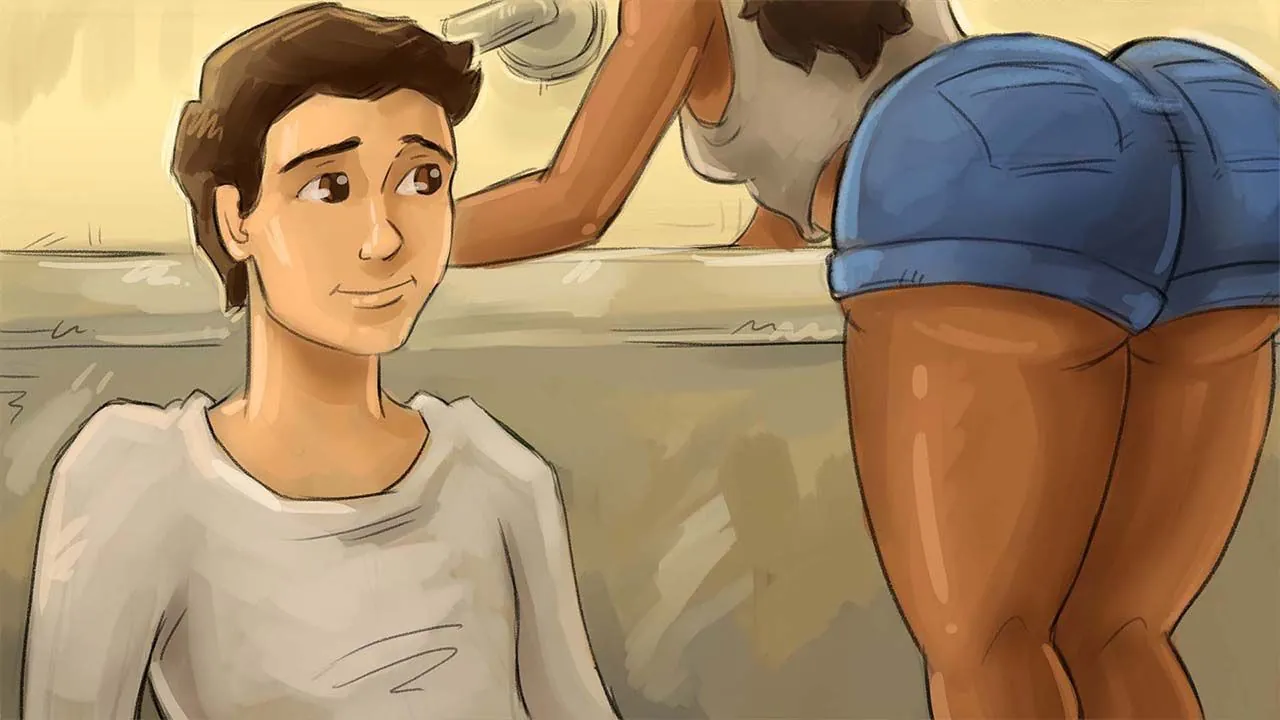
Strangers on Paper
Play Strangers on Paper
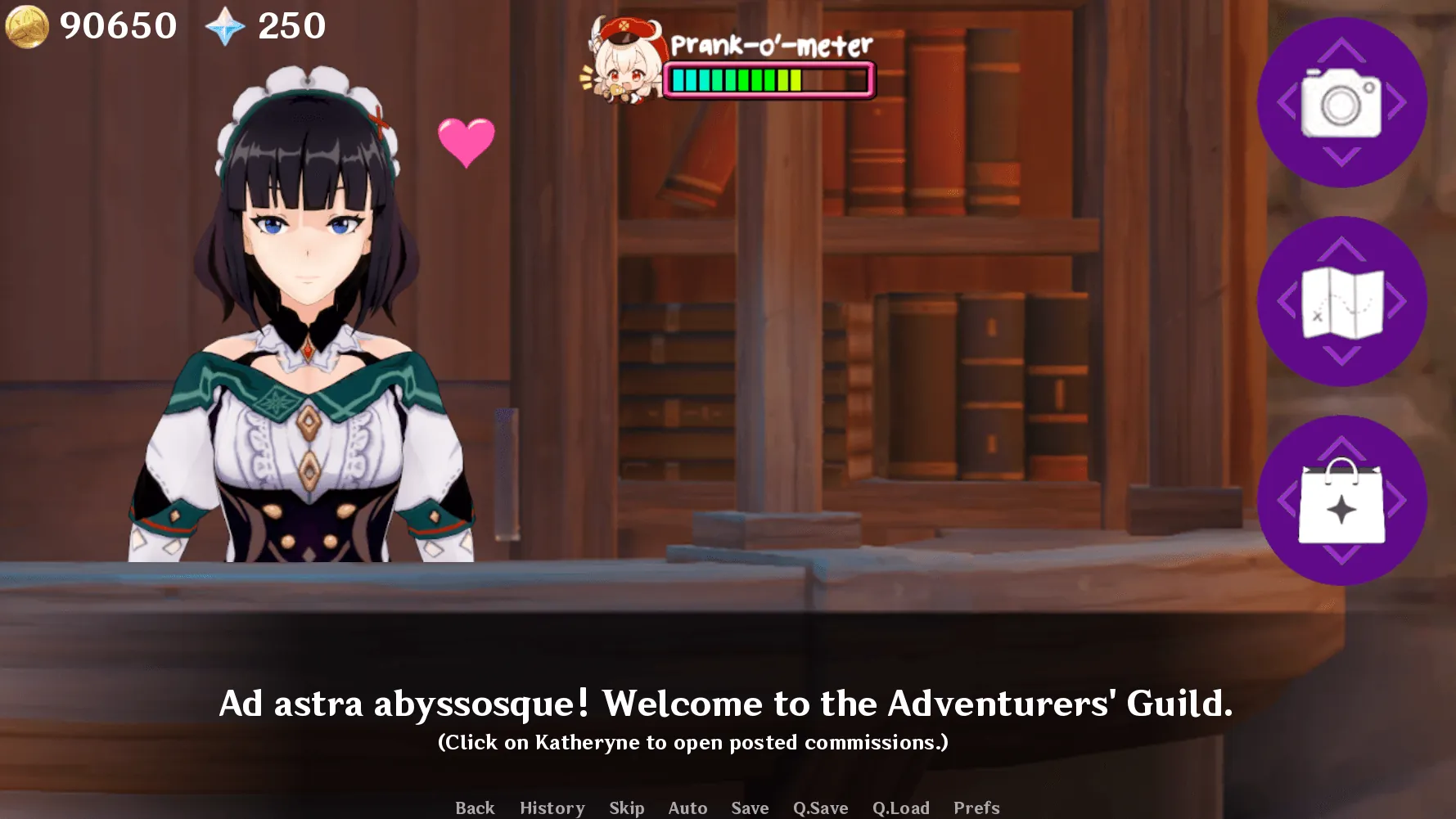
Strangers on Paper Screenshots








Strangers on Paper review
Discover How Choices Shape Connections in This Captivating Story
Ever stumbled upon a game that pulls you into a world of paper-thin strangers, where every choice rewires your path through hidden emotions and unexpected bonds? That’s Strangers on Paper for you—a story-driven visual novel that’s got players hooked on its branching narratives and emotional depth. I remember my first playthrough; I was up till 3 AM, heart racing as my decisions turned casual encounters into profound reconnections. If you’re curious about navigating its intricate plots or craving tips to unlock the best endings, this guide dives deep into what makes Strangers on Paper a standout. Let’s unfold its secrets together.
What Makes Strangers on Paper a Must-Play Visual Novel?
I was just scrolling through Steam one rainy afternoon, looking for something different, something with a bit of heart. That’s when I stumbled upon Strangers on Paper. The store page described it as a narrative experience about reconnecting with people from your past, but with a unique, almost magical twist: these characters were tied to literal pieces of paper. Intrigued, I hit download. Hours later, I found myself completely absorbed, realizing I’d found a gem that understands the weight of a simple choice better than most big-budget games. So, what is Strangers on Paper? It’s more than a game; it’s an emotional excavation tool, and I’m here to tell you why it absolutely deserves a spot in your library. 🕵️♂️📖
At its core, the Strangers on Paper game is a masterclass in player-driven storytelling. You don’t just watch a narrative unfold—you sculpt it, line by line, decision by decision. The Strangers on Paper visual novel framework is your canvas. The core loop is deceptively simple: you read through beautifully written dialogue and prose, and at key moments, you are presented with choices. These aren’t just cosmetic “good vs. evil” picks; they are nuanced, often delicate, interpersonal decisions. Do you gently probe about a painful memory, or offer a distraction with a shared joke? Do you confess your own insecurities to build trust, or maintain a careful, polite distance?
The brilliance is in how these Strangers on Paper choices don’t just lead to different dialogue trees; they actively shape the personalities of the characters you’re reconnecting with and the very nature of your shared history. It’s like tending a fragile plant—every interaction is either water, sunlight, or, if you’re careless, a subtle poison.
How Does the Story Unfold Through Your Choices?
The magic of this Strangers on Paper visual novel is that your decisions feel consequential from the very first encounter. The game remembers everything. An offhand comment you make in Chapter 1 can resurface in a moment of tension in Chapter 4, reframed by the trust (or distrust) you’ve built since.
Let me give you a hypothetical from my playthroughs. Early on, you might find a faded concert ticket among your old papers, linked to a character named Leo. When you “reconnect” and the topic arises, you have a choice:
1. “I kept it. It was the best night of that summer.”
2. “Oh, that old thing? I was just sorting junk.”
3. Say nothing, and quietly put the ticket away.
Option 1 is a warm, open-hearted admission. It tells Leo that the memory—and by extension, them—was important to you. This builds immediate affinity and unlocks softer, more vulnerable dialogue paths later. It’s a direct investment in reconnecting in Strangers on Paper.
Option 2 is a defensive, dismissive move. It might protect your character’s feelings, but it sends a clear message to Leo: “Our past isn’t worth sentimental value.” This could lead to a more brittle, sarcastic dynamic, where both characters wear emotional armor. You might still reach an ending, but it will be colored by this unresolved chill.
Option 3, the silent choice, is perhaps the most intriguing. It doesn’t build bridges, but it doesn’t burn them either. It leaves the meaning ambiguous, for you and for Leo. The game will adapt, perhaps making Leo more cautious, or leaving a space of quiet mystery that you must navigate differently.
Pro Tip: Save often and in different slots! The Strangers on Paper game is built for replayability. Having a save right before a major branching point lets you explore how a single different choice spirals into a completely unique narrative experience.
I remember one playthrough where I chose vulnerability at every turn. When a character, Maya, confessed a deep-seated fear of being forgotten, my choice to share a parallel fear of my own led to a breathtaking scene of silent understanding, represented by the two paper figures on screen simply sitting together in comfortable quiet. It wasn’t a dramatic confession of love or a fiery argument—it was a quiet, powerful moment of human connection that felt more genuine than any scripted cinema. That’s the power the developer puts in your hands. 🧩✨
Why Reconnecting with Paper Strangers Feels So Real?
This is where the Strangers on Paper game transcends its medium. The “paper” metaphor is sheer genius. These characters aren’t fully rendered 3D models; they are evocative, beautiful paper-craft art, often layered and slightly translucent. This isn’t a limitation—it’s the point. 🎨
They are, literally and figuratively, people from your past pages. They are memories given form—fragile, capable of being folded or torn, but also beautiful and layered with hidden depth when held up to the light. This visual style perfectly mirrors the themes: isolation (a single sheet alone), chance meetings (two pieces drifting together), and the painstaking, delicate work of rediscovery.
The emotional realism hits hard because it focuses on small truths. It’s not about saving the world; it’s about saving (or understanding) a fragment of a relationship. The writing captures the awkward pauses, the hopeful glances, and the weight of unsaid words that anyone who has ever tried to reconnect with an old friend will recognize. The soundtrack is a subtle, piano-and-strings companion that never overwhelms, but perfectly underscores the melancholy, hope, or tension of a scene.
For me, it resonated deeply because it mirrored a real-life experience. Once, I randomly met a college friend I’d lost touch with for a decade. The first coffee was exactly like the game: a dance of careful questions, searching for the person we knew within the adults we’d become. Strangers on Paper bottle that exact feeling—the thrill, the fear, and the profound satisfaction of finding a thread you thought was lost and seeing if it can be woven into something new.
Key Features That Set It Apart from Other Visual Novels
So, what are the concrete reasons to play this Strangers on Paper visual novel? It’s more than just a great story. Here are the features that make it a standout title on Strangers on Paper Steam:
- High-Stakes Replayability: With 5+ distinct Strangers on Paper endings, your first playthrough is just the beginning. Each ending reflects a different outcome for your relationships, from bittersweet goodbyes to joyful new beginnings. Unlocking them all is a compelling reason to return.
- Meaningful Choice Architecture: The Strangers on Paper choices are never trivial. The game often provides an “in-game journal” or subtle cues that help you track the emotional state of characters, so you’re never deciding in a total vacuum.
- Atmospheric Art & Sound: The unique paper-craft aesthetic and hauntingly beautiful soundtrack create an immersive mood that’s unlike any other game. It’s a world you’ll want to linger in.
- Accessible and Inclusive Design: Featuring multilingual support and thoughtful pacing options, the game ensures the narrative is accessible to a wide audience. It respects your time and your background.
- Steam Integration Done Right: A thoughtful set of Steam Achievements that reward exploration and different narrative paths, not just grind, adding a nice layer of meta-goals for completionists.
For newcomers, my best advice is to play authentically. Don’t try to “game” the system on your first run. Choose what you feel is right in the moment. Let yourself be surprised by the consequences. Then, for your next playthrough, be bold! Choose the options you were too afraid to pick the first time. You’ll be amazed at how different the story becomes.
To see how your early choices can steer the entire journey, consider this simplified pathway based on a key early decision:
| Your Early Choice | Character Reaction | Potential Narrative Branch |
|---|---|---|
| Open a shared memory with warmth | Character becomes more open, shares personal anecdotes | Unlocks “Vulnerability” path, leading to endings about deep reconciliation |
| Deflect with humor or change subject | Character mirrors your caution, keeps conversation light | Leads to “Friendly Acquaintance” path, with endings focused on polite closure |
| Ask a blunt, probing question | Character may become defensive or surprisingly candid | Creates a “Volatile” path, which can lead to intense confrontation or raw, honest breakthroughs |
Ultimately, Strangers on Paper is a must-play because it trusts you with its heart. It presents you with fragile, paper-thin relationships and says, “Here. What will you make of this?” Whether you craft a masterpiece of connection or a careful origami of distance is up to you. And that journey—of seeing your own choices reflected in the delicate faces of these paper strangers—is an experience that will stick with you long after you close the game. It’s a poignant, beautiful reminder of the narratives we write every day with the people around us.
FAQ: Your Strangers on Paper Questions, Answered
Q: I’m new to visual novels. Is Strangers on Paper a good place to start?
A: Absolutely! It’s a perfect entry point. The interface is intuitive, the reading is compelling, and the power of your choices is immediately clear. It focuses on character and story in a very accessible way.
Q: What are the system requirements to play on Steam?
A: The Strangers on Paper game is very gentle on systems. As a 2D narrative game, it will run smoothly on most modern laptops and PCs. Always check the store page for the most precise specifications.
Q: How long does it take to see all the content and endings?
A: A single playthrough might take 2-4 hours. To experience all the major Strangers on Paper endings and narrative branches, plan for 10-15 hours of total playtime, making it a densely packed, replay-rich experience.
Diving into Strangers on Paper transformed how I view interactive stories—it’s not just a game, but a mirror to our own fleeting connections. From those heart-pounding choices to the satisfying rush of unlocking hidden paths, it delivers emotional punches that linger. Whether you’re chasing the perfect ending or simply exploring its paper world, grab it on Steam and let your decisions lead the way. What’s your first choice going to be? Share your playthrough stories below—I’d love to hear how you reconnected with those strangers.