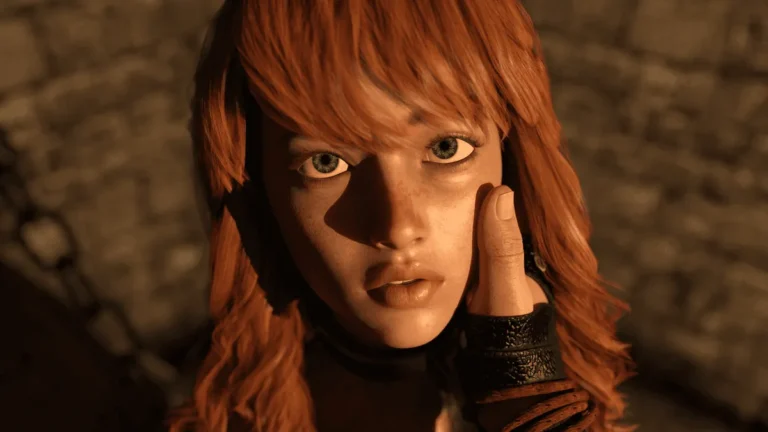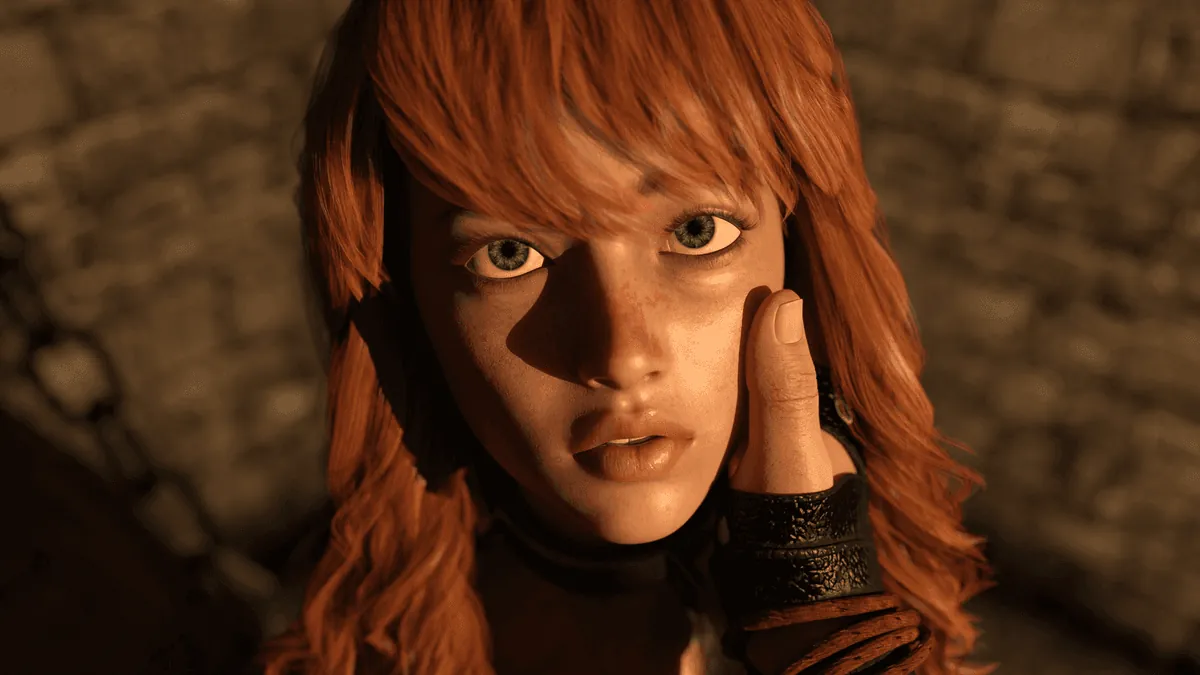
Desert Stalker
Play Desert Stalker
Desert Stalker Screenshots






Desert Stalker review
Dive into gritty choices, erotic encounters, and wasteland dominance in this standout visual novel
Ever stumbled into a game that hooks you with a brutal post-apocalyptic world, meaningful choices, and steamy encounters that feel earned? That’s Desert Stalker for you. As a seasoned scavenger in the ruins of Egypt’s wasteland, you hunt rare artifacts while navigating gritty decisions that shape your family, relationships, and power. I remember my first playthrough—uncovering that game-changing relic flipped my path from protector to ruthless leader, blending tense storytelling with immersive erotic moments. This visual novel stands out with its free-roam exploration, customizable content, and emotional depth that keeps you coming back. Ready to stalk the desert?
What Makes Desert Stalker a Must-Play Wasteland Epic?
I remember stumbling across Desert Stalker late one night, my usual hunt for a new story leading me down another digital rabbit hole. I was expecting another cookie-cutter, end-of-the-world tale—you know, the kind with generic bunkers and raiders in leather. What I found instead completely blindsided me. Here was a post-apocalyptic visual novel not set in some nameless American wasteland, but amidst the stunning, sun-bleached ruins of Egypt. 😲 The concept alone—scavenging ancient pyramids while dodging mutants and navigating the fragile society of a place called Zeta—hooked me instantly. It promised a wasteland scavenger adventure with a flavor I’d never tasted before, and let me tell you, it delivered on that promise and then some.
This isn’t just another apocalypse simulator. Desert Stalker is a meticulously crafted experience that understands the heart of a great story lies in making you feel like you’re truly living it. From the moment you take control of the enigmatic protagonist, you’re not just reading a story; you’re carving your own path through the sand with every decision. I started playing curious about the setting, but I stayed for the incredible depth of its characters and the weight of my own Desert Stalker choices. This chapter is my deep dive into what makes this game a standout epic in a crowded genre.
How Does the Post-Apocalyptic Setting Pull You In?
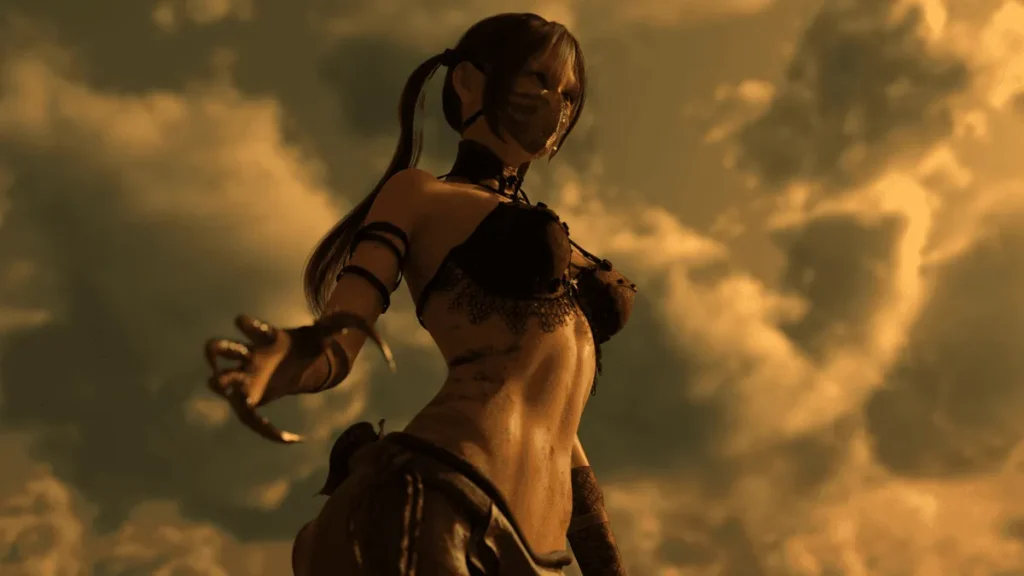
Forget gray skies and radioactive puddles. The world of Desert Stalker is a character in itself, and it’s breathtaking. 🌄 The game paints a picture of a future where humanity clings to existence in the shadow of its greatest monuments. You’ll explore crumbling pharaonic tombs not as a tourist, but as a scavenger, where a misplaced step could mean a cave-in or a encounter with the twisted mutants that now call these ruins home. The contrast is brilliant: the eternal, majestic silence of the pyramids against the brutal, day-to-day struggle for survival.
This unique backdrop extends to the hubs of civilization, primarily the enigmatic Zeta. This city is a fragile ecosystem of power, desperation, and fleeting hope. One moment you’re in a dusty market bartering for supplies, the next you’re navigating the tense politics of a ruling council or uncovering secrets in a forgotten archive. This is where the free roam Desert Stalker system truly shines. You’re given a central map with key locations, and while there’s a compelling linear story pushing you forward, you are encouraged to explore.
My pro-tip? Talk to everyone and click on everything when you first enter a new area. The game brilliantly weaves its world-building and character introductions into this exploration, so you never feel like you’re grinding. Every discovered note, every side conversation, and every optional location feeds back into the main narrative, enriching your understanding or even unlocking new story branches and scenes. It’s a wasteland scavenger adventure that respects your time, making every sand-coated moment meaningful.
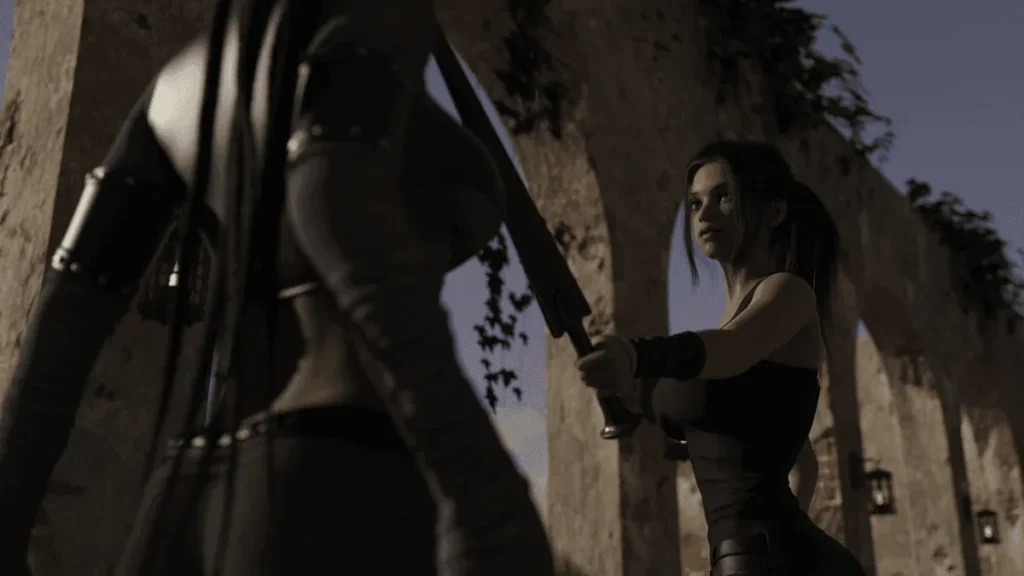
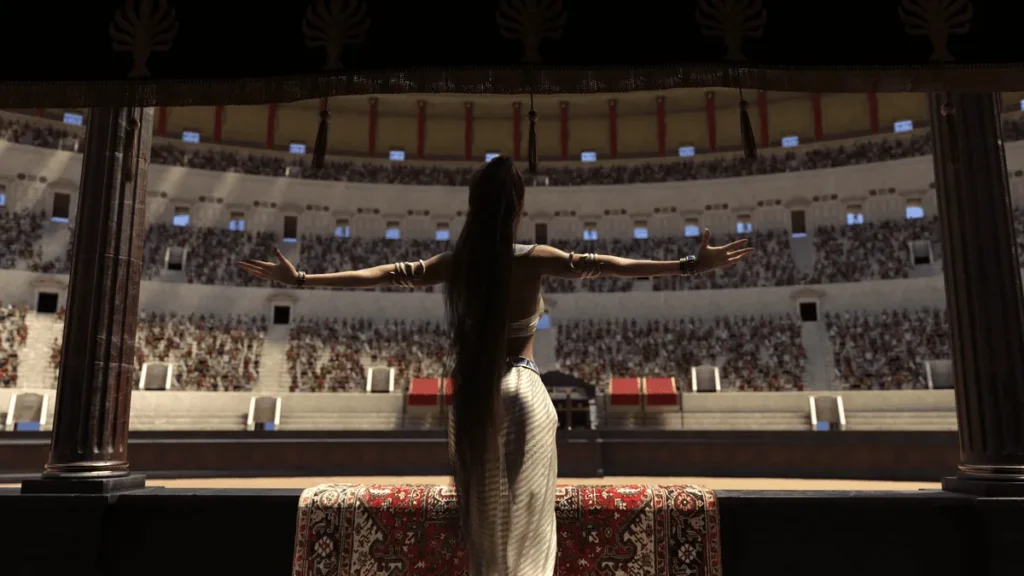
The atmosphere is amplified tenfold by the game’s polish. The visual renders are consistently superb, capturing everything from the harsh glare of the desert sun to the intimate, detailed interiors of a character’s home. A subtle, evocative soundtrack sets the mood perfectly, whether it’s foreboding tension or a moment of rare tranquility. While there’s no voice acting, the strength of the writing and visuals makes it an easy trade-off, pulling you deeper into this immersive post-apocalyptic visual novel.
Why Player Choices Define Your Desert Stalker Journey?
If the setting is the stage, then your choices are the script, the director’s notes, and the final performance, all rolled into one. This is the core of the Desert Stalker game. You aren’t guiding a pre-defined hero; you are shaping the soul of an anti-hero Desert Stalker. Is he a ruthless tyrant who takes what he wants through fear and strength? A pragmatic survivor with a hidden streak of honor? Or perhaps a protector, seeking genuine connection and romance in a broken world? The game never judges you; it simply reacts.
The weight of these Desert Stalker choices is immense and often immediate. A decision to show mercy or cruelty in a tense encounter can radically alter how other characters perceive you, opening or slamming shut doors for future alliances, information, and intimacy. The game masterfully tracks your reputation, and the world feels alive because it remembers what you’ve done. This system creates a deeply personal free roam Desert Stalker experience where your playthrough will be uniquely yours.
Much of this personalization revolves around relationships. The game presents opportunities to build powerful, and sometimes possessive, connections. You can pursue a path of domination, collecting followers and building influence through control. Or, you can seek out more wholesome, tender romances, investing time and emotional choices to build something real. The beauty is that these aren’t mutually exclusive; you can mix and match, creating a complex web of dynamics that reflects your protagonist’s multifaceted personality. To visualize the stark differences in approach, here’s a comparison of two core paths:
| Path Type | Key Choices | Outcomes | Narrative Focus |
|---|---|---|---|
| Domination Path | Assert physical & social dominance in conflicts; claim “trophies”; prioritize power gains over sentiment. | Earns fear & obedience; unlocks specific content & scenes centered on control; alters how vulnerable characters interact with you. | Power dynamics, conquest, and building a personal empire through force of will. |
| Romance Path | Choose diplomatic solutions; perform acts of kindness & protection; invest time in personal conversations. | Earns genuine trust & affection; unlocks slower-burn, emotional scenes; opens unique supportive storylines. | Emotional connection, building sanctuary in chaos, and character-driven loyalty. |
| Pragmatic Survivor | Make decisions based solely on resource & survival benefit; avoid unnecessary conflicts or commitments. | Maintains neutral standing; maximizes material gains; can lead to isolation or opportunistic alliances. | Gritty realism, self-preservation, and the moral ambiguities of pure survival. |
Unlocking Erotic Depth in a Gritty Narrative
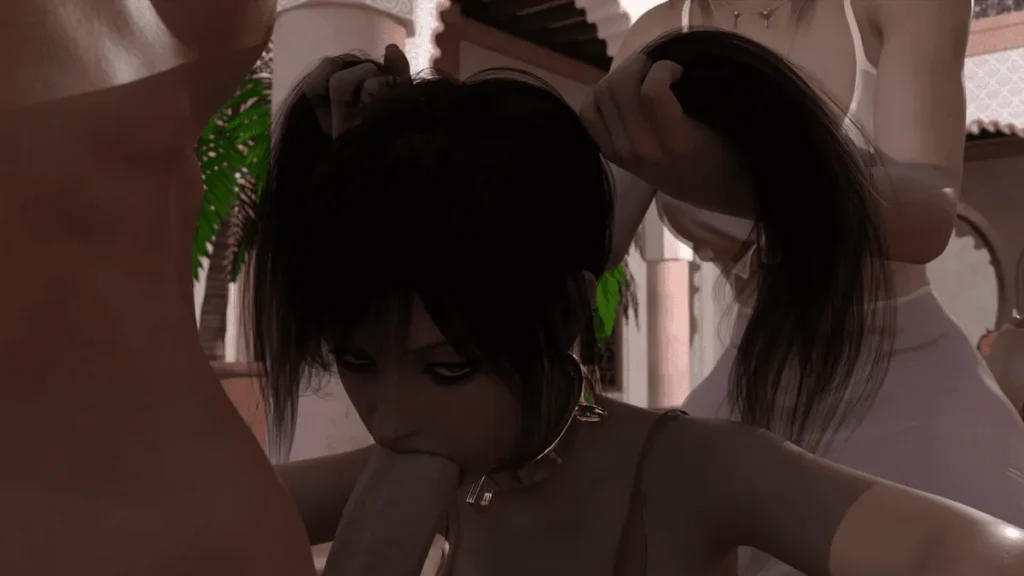
Let’s address the elephant—or perhaps the sphinx—in the room. Yes, Desert Stalker is an erotic AVN, and its content is woven directly into the fabric of its world and story. But here’s what sets it apart: it’s not just garnish. 🍛 The intimate scenes are a direct result of the relationships you cultivate and the choices you make. They feel earned, a culmination of narrative tension, character development, or the power dynamics you’ve established.
The game is set in a harsh, lawless world where traditional norms have crumbled. Intimacy, power, and transaction often intertwine. An erotic AVN Egypt ruins setting allows for encounters that range from the thrilling and conquest-driven to the surprisingly tender and emotional. You might share a moment of vulnerability with a character in the quiet safety of a hidden oasis, or engage in a charged, dangerous tryst amidst the relics of a dead civilization. The context provided by the rich post-apocalyptic visual novel storytelling makes all the difference.
Furthermore, Desert Stalker is remarkably respectful of player preference. It includes one of the most thoughtful content filter systems I’ve seen. Want a fully uncensored, hardcore experience? You can have it. Prefer to focus on the romantic build-up and fade to black? You can set that too. You can even toggle specific types of content or character pairings on or off. This puts you in complete control of your experience, allowing you to tailor the erotic AVN elements to match the exact story you want to tell. It’s a feature more games need, acknowledging that players seek different things from a narrative.
And speaking of narrative, this is where the game truly excels. The characters you meet have personalities, histories, fears, and desires. They aren’t just portraits waiting for a trigger. You’ll find yourself caring about their struggles, feeling the sting of their betrayals, or the warmth of their loyalty. The emotional moments—whether it’s a tender interaction with family, a hard-won moment of trust, or the thrilling climax of a long-simmering rivalry—are what you’ll remember long after you close the game. As I often say: I stayed for the story after starting for the scenes.
Desert Stalker outperforms typical templates because it understands that all these elements—setting, choice, intimacy, and character—must serve the story. It’s a complete package: a gritty, choice-driven Desert Stalker game set in a mesmerizing world that isn’t afraid to explore the full spectrum of human (and post-human) experience. It’s an adventure that demands to be played more than once, just to see how differently the sands can shift under your feet.
Ready to carve your own path through the dunes? Here are 5 pro-tips for your first immersive playthrough:
* Embrace the Sandbox: Don’t rush the main quest. Spend your first days in a new area exploring every location and talking to every named character. The world-building and side stories are where the Desert Stalker world truly comes alive.
* Define Your Stalker Early: Before major story beats, decide on a core personality trait for your protagonist (e.g., “Protective,” “Opportunistic,” “Dominant”). Stick to choices that align with it for a more coherent and reactive narrative.
* Use the Content Filters: Before you start, visit the settings. Tailoring the erotic AVN elements to your comfort level removes any potential friction and lets you focus on the story you want to experience.
* Save Before Major Choices: This is a visual novel staple for a reason. The game’s Desert Stalker choices have significant branches. Save before big decisions if you want to experiment or see immediate consequences without a full replay.
* Read the Logs: The game’s interface includes a helpful log of recent events and character thoughts. If you ever feel lost or forget a name, check there. It’s an excellent tool for keeping track of the complex web of relationships in your wasteland scavenger adventure.
Desert Stalker masterfully blends a gripping post-apocalyptic tale with player-driven choices, deep character arcs, and tantalizing encounters that evolve based on your decisions. From scavenging ruins to building your influence in Zeta, every path offers fresh thrills—whether you dominate the wasteland or forge tender bonds. My own runs showed how replaying with different morals unlocks hidden layers, making it endlessly engaging. If you’re craving an adult visual novel with heart, grit, and freedom, dive in today. Grab the latest update, pick your stance, and start shaping your desert legacy—your next epic awaits.