Boat
Play Boat
Boat Screenshots
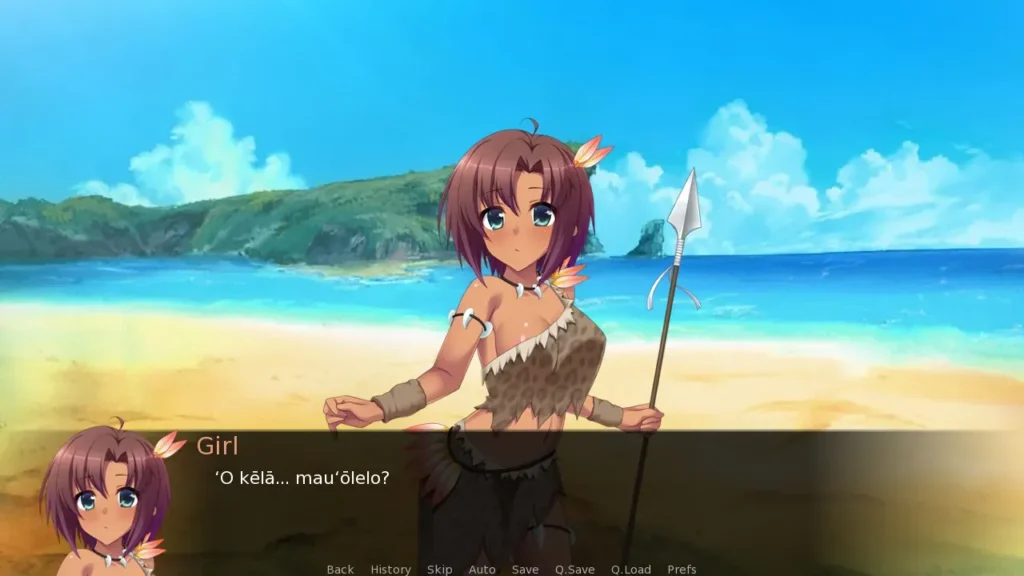
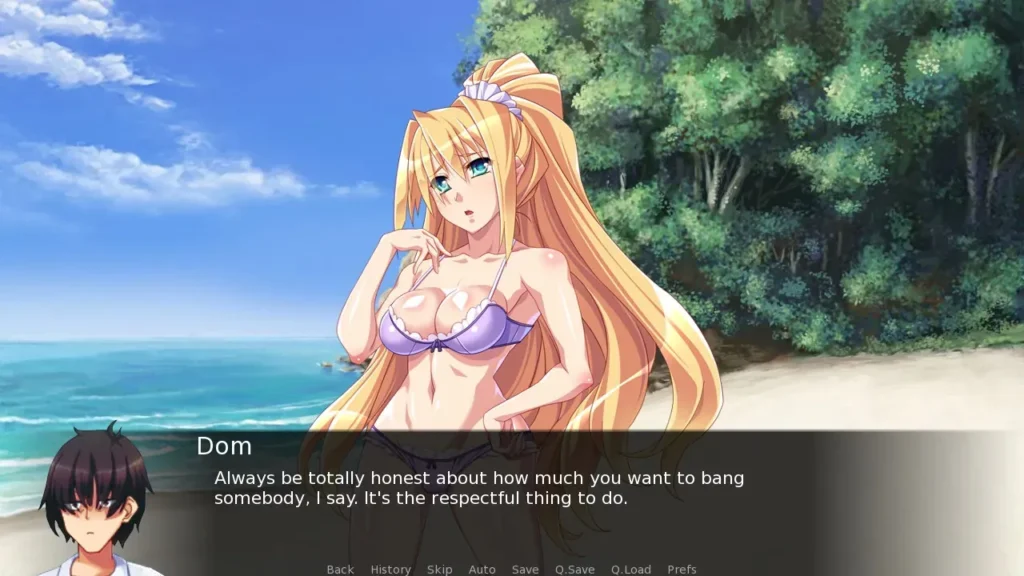
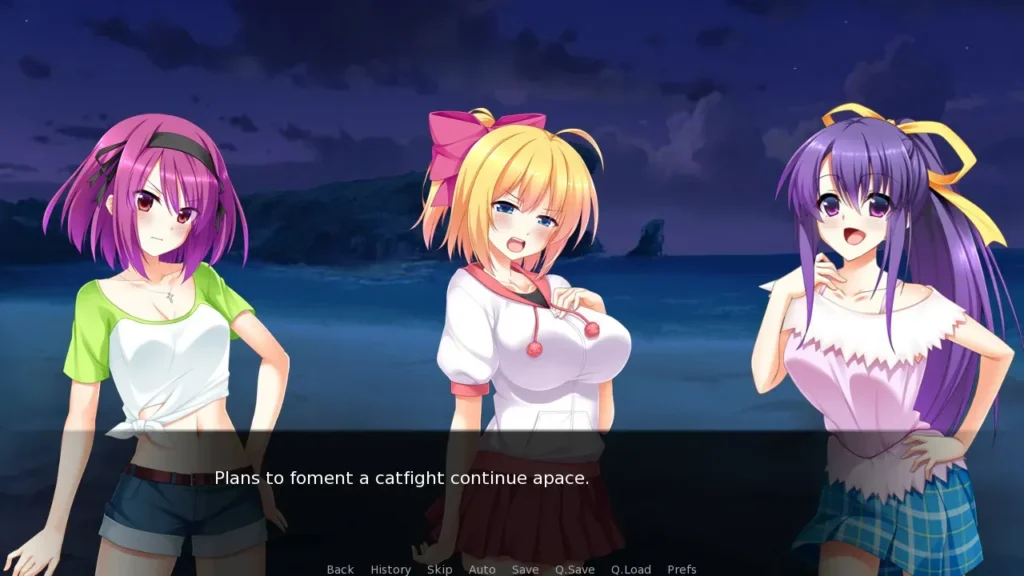


Boat review
Insights, tips, and real-player experiences with Boat Game
Boat is a niche adult-focused game that blends narrative choices, character interactions, and stylized visuals into a compact but memorable experience. In this article, we will walk through how Boat works, what makes it stand out from other games in the same space, and what you can realistically expect as a new player. Drawing on real playthrough impressions and practical observations, we will highlight the game’s strongest points, common frustrations, and a few smart ways to approach your first run so you enjoy Boat instead of feeling lost or overwhelmed.
How Boat Game Works: Story, Atmosphere, and Core Experience
Let’s be honest, you’re here because you’ve heard the name and you’re wondering what this Boat game is all about 🧐. Is it a thrilling seafaring adventure? A deep-sea fishing sim? The title conjures a certain image, but I’m here to tell you the reality is far more intimate and character-driven. At its heart, Boat is a quiet, narrative-focused experience about isolation, connection, and the stories we tell while waiting for the tide to change 🌊.
This isn’t a game about epic voyages or naval combat. Instead, you find yourself in a confined, almost melancholic setting—a modest boat moored in a still, endless sea. The core of the Boat gameplay experience is built on conversation, observation, and the small choices that shape your relationship with your only companion. It’s a slow burn, a digital short story where the atmosphere is as much a character as the people you meet. If you’re looking for a relaxed, thoughtful narrative to sink into for a few evenings, you might have found your port.
### What Is Boat Game Really About?
Boat game is a narrative-driven, choice-based experience centered on two characters sharing a confined space on the water. The tone is introspective and often bittersweet, blending moments of light humor with a pervasive sense of loneliness. You step into the shoes of one character, while the other, your companion, is the axis around which the entire story rotates.
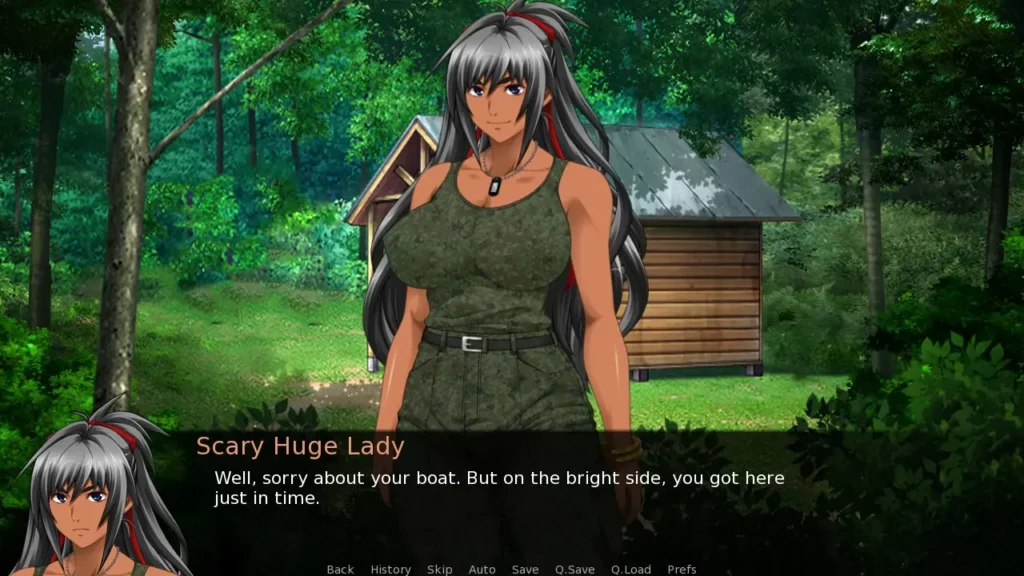
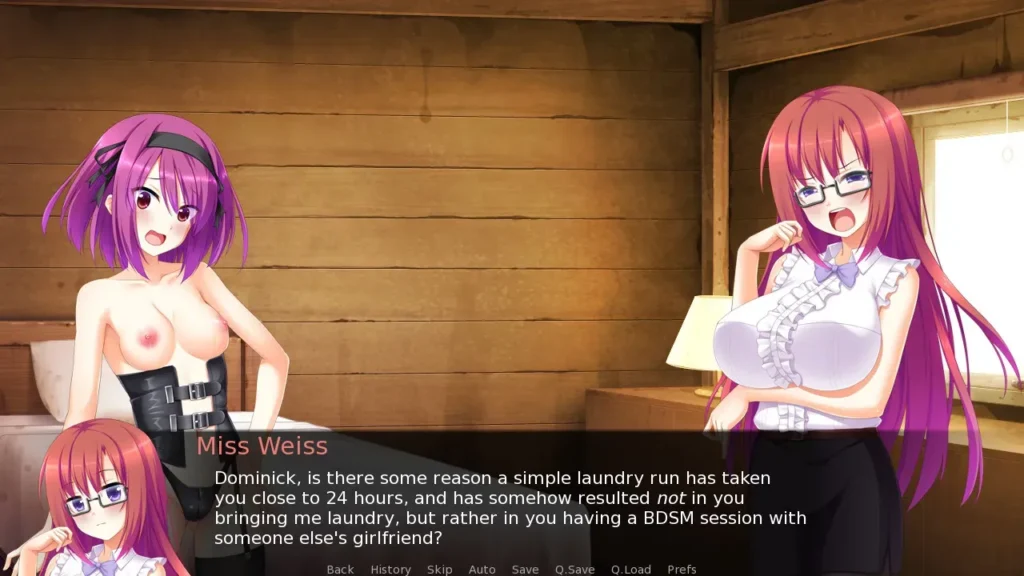
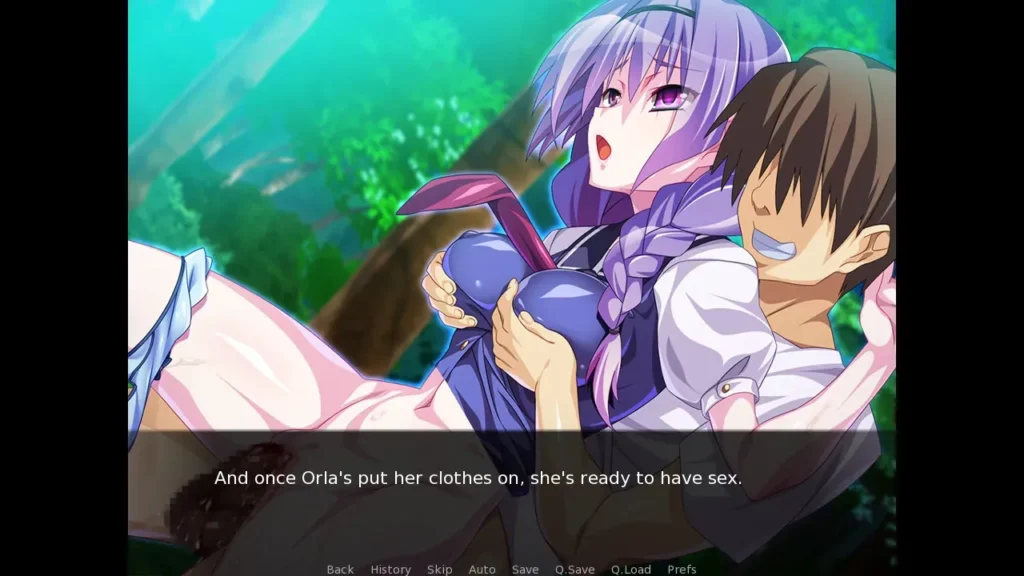
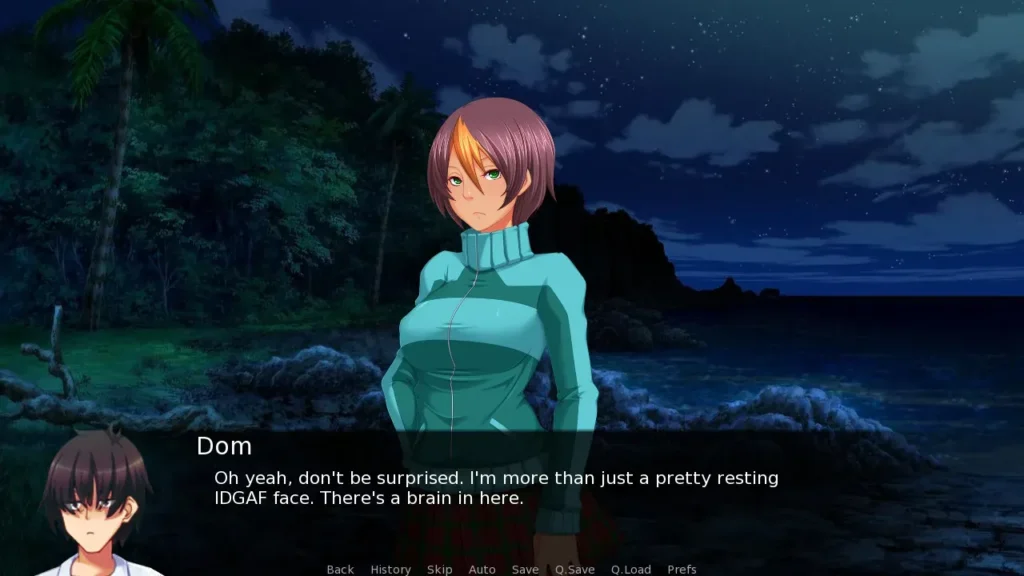
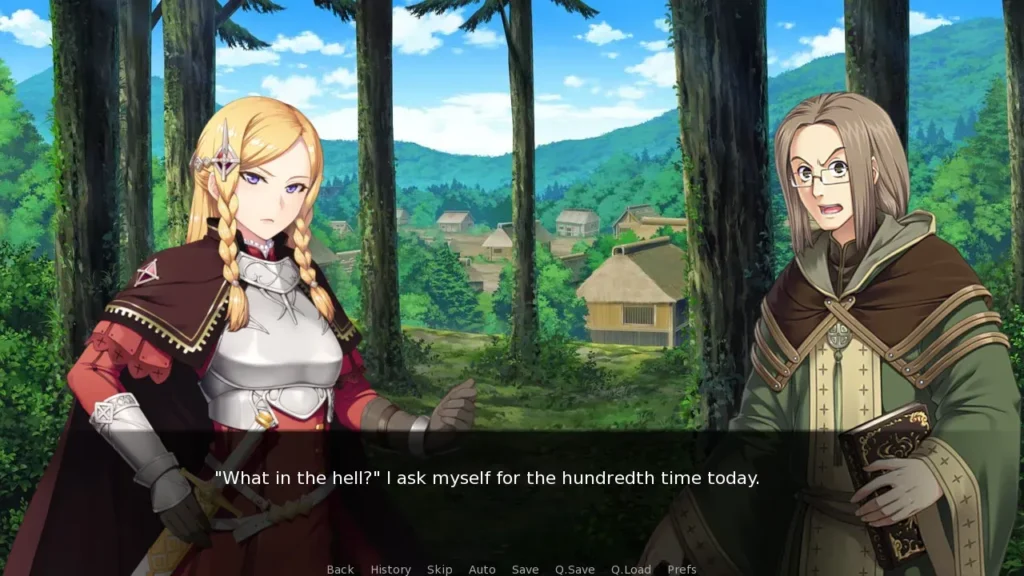
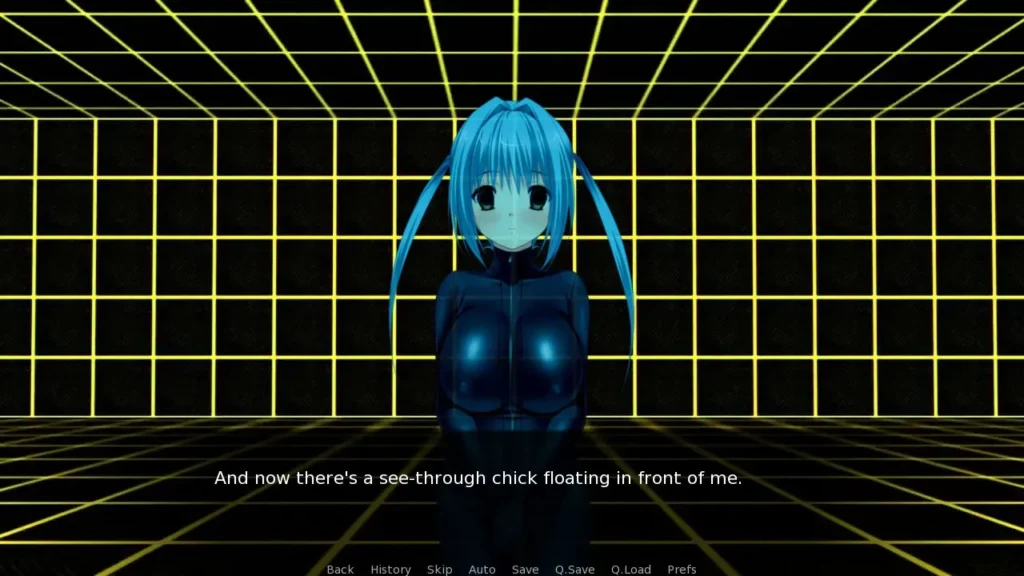
The game wastes no time setting the stage. Within minutes, you’re introduced to the core scenario and your fellow sailor. There’s no lengthy tutorial or complex backstory dump; you’re simply there, on the boat, with the gentle lap of water against the hull and the vast, empty horizon. This immediate immersion is a strength—it makes the Boat game atmosphere and visuals the first thing you truly notice. The art style is clean and stylized, not aiming for hyper-realism but for a specific, poignant mood. The color palette leans into muted blues, greys, and washed-out tones, perfectly capturing the feeling of a hazy, timeless day at sea.
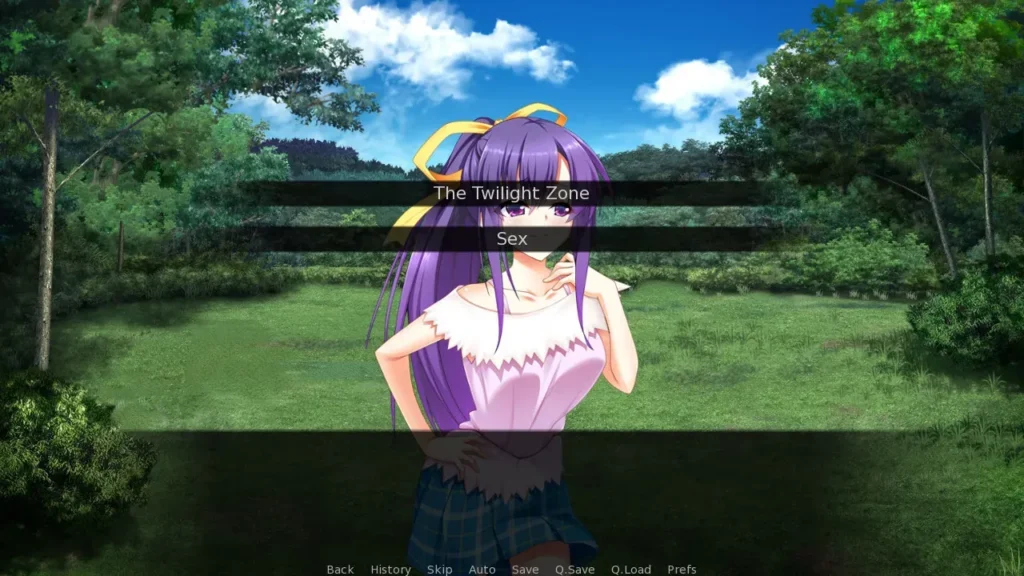
So, what do you actually do? Your primary interactions are through dialogue trees. You choose what to say, what to ask, and sometimes, what to remember. The game is less about doing and more about listening and reacting. You’ll explore snippets of your companion’s past, share your own thoughts (or choose to keep them private), and navigate the subtle, growing dynamic between you. A typical first playthrough might take a few hours, and the value of Boat game often comes from seeing how different conversational paths can lead to subtly different shades of the same conclusion.
Here are the main reasons players are drawn to Boat:
* Story Tone: It’s a quiet, character-focused narrative about connection in isolation. It’s more likely to make you reflect than cheer.
* Character Focus: The entire experience hinges on your investment in the companion character. Getting to know them is the game’s primary drive.
* Relaxed Pacing: This is a game to be sipped, not gulped. It unfolds at a deliberate, calm pace that won’t rush you.
* Visual Style: The simple but evocative art creates a powerful and consistent melancholic mood.
### How Does Boat Blend Story and Interaction?
The Boat game story structure is deceptively simple. It feels linear in its overall arc—you are on a boat, and a certain amount of time will pass—but your journey through that arc is shaped by your dialogue choices. The brilliance lies in the illusion of agency. While you may not alter the ultimate destination, you absolutely change the flavor of the voyage. Your decisions feel meaningful because they directly affect the relationship, which is the true core of the experience.
The game masterfully balances dialogue with quiet, interactive moments. You might be given the option to look at a distant lighthouse, fiddle with a loose rope, or simply sit in silence. These aren’t just filler; they’re breathing room that lets the previous conversation settle and allows you to soak in the atmosphere. The pacing is deliberately slow. This isn’t a thriller with constant twists. It’s a series of conversations that ebb and flow, sometimes deep and revealing, other times awkward or casually funny.
From a Boat game review style overview perspective, the presentation is a mix of clear strengths and understandable limitations. The character designs are expressive despite their simplicity, with animations that focus on key gestures—a shrug, a thoughtful glance over the water—that feel authentic. The sound design is arguably its strongest technical aspect. The ambient sounds of creaking wood, flapping sails, and water are incredibly effective, and the sparse, often somber piano or guitar tracks that drift in and out are perfectly chosen to underscore the mood.
However, it’s honest to note where the experience can feel limited. The “gameplay” is almost exclusively menu-based selection. If you crave hands-on mechanics or complex puzzles, you won’t find them here. The scope is intentionally narrow, focusing on depth of character over breadth of world. Some might find the dialogue occasionally repetitive if replaying, and the visual simplicity, while atmospheric, won’t dazzle those seeking graphical spectacle.
My personal insight: What surprised me most wasn’t a plot twist, but a moment of quiet. Early on, I chose a dialogue option that was slightly sarcastic. My companion replied with a gentle, deflective joke, but the animation showed them looking away, their posture closing off just a bit. In that moment, the game told me, without any words, that my flippancy had created a small, real distance. It made every subsequent choice feel more considered.
### Who Will Enjoy Boat the Most?
So, is Boat game worth playing? The answer is a resounding “yes,” but with a very specific audience in mind. This is a niche title, and understanding who it’s for is the key to your enjoyment. This Boat gameplay experience is a specialized one.
Boat is perfect for you if:
* You love narrative-driven games where story is king.
* You enjoy “slow burn” stories focused on character psychology and relationship dynamics.
* You appreciate atmospheric, mood-heavy games where the setting is a key part of the narrative.
* You want a short, complete experience that you can finish in a few sittings without a huge time commitment.
* You don’t mind (and even enjoy) games with minimal traditional “action” or mechanics.
You might want to steer clear if:
* You need fast-paced action, complex gameplay mechanics, or strategic challenges.
* You prefer open worlds with lots of exploration and side activities.
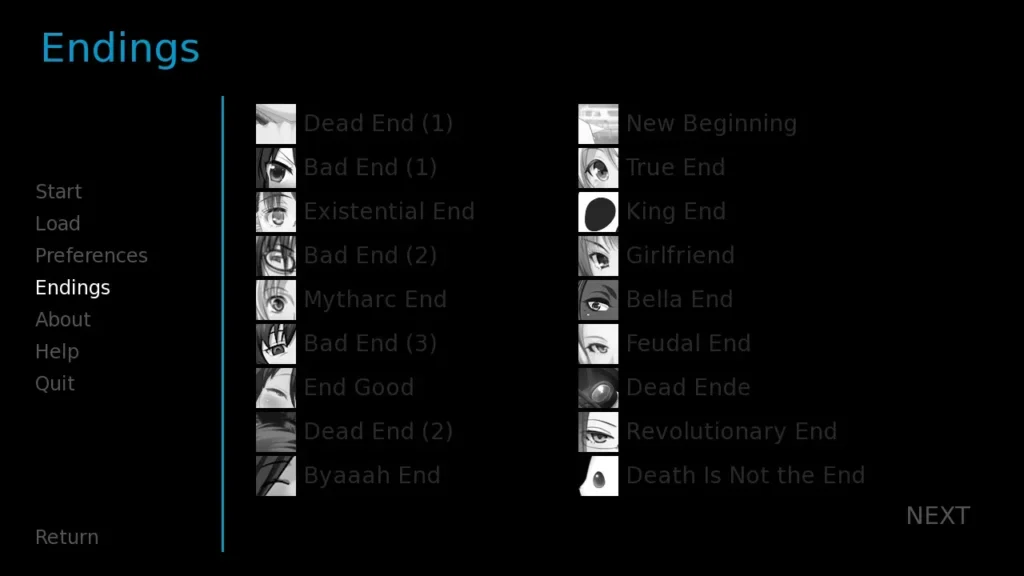
* You are looking for a game with significant branching plots that lead to wildly different endings.
* You find slow, conversation-heavy pacing to be tedious.
To make it crystal clear, let’s break down the ideal player profile:
| Player Type | Will They Enjoy Boat? | Reason |
|---|---|---|
| The Story Binger | ✅ Yes, absolutely | The entire value is in the narrative and character arc. It’s a focused, emotional story. |
| The Atmosphere Seeker | ✅ A definite yes | The audio-visual mood is the game’s masterpiece. It’s immersive and deeply consistent. |
| The Choice-Matters Fan | ⚠️ It depends | Choices affect tone and relationship depth, not major plot branches. The impact is emotional, not structural. |
| The Gameplay Enthusiast | ❌ Probably not | Gameplay is limited to menu navigation. There are no puzzles, skills, or reflexes to test. |
| The Casual Gamer | ✅ Likely yes | It’s easy to pick up, requires no gaming skills, and is a low-stress, engaging story. |
Ultimately, the question of who is Boat game for has a simple answer: it’s for the thoughtful player. It’s for someone who sees a game as a potential vessel for a poignant, short story. It won’t dazzle you with explosions, but it might linger in your mind with a quiet image of two people on a boat, talking as the world stands still. If that sounds appealing, then your journey with Boat game is absolutely worth taking 🌅.
Boat is a compact, focused game that leans heavily on mood, character interaction, and simple but meaningful choices rather than complex mechanics. If you go into it expecting a richly written, stylized experience that you can finish in a few relaxed sessions, it can be surprisingly engaging. By understanding its pacing, structure, and intended audience before you start, you can decide whether Boat fits the kind of experience you are looking for. If the mix of story-driven progression and intimate, character-focused interactions appeals to you, giving Boat a fair, uninterrupted playthrough is the best way to appreciate what it does well.