Play Adverse Effects
Adverse Effects Screenshots
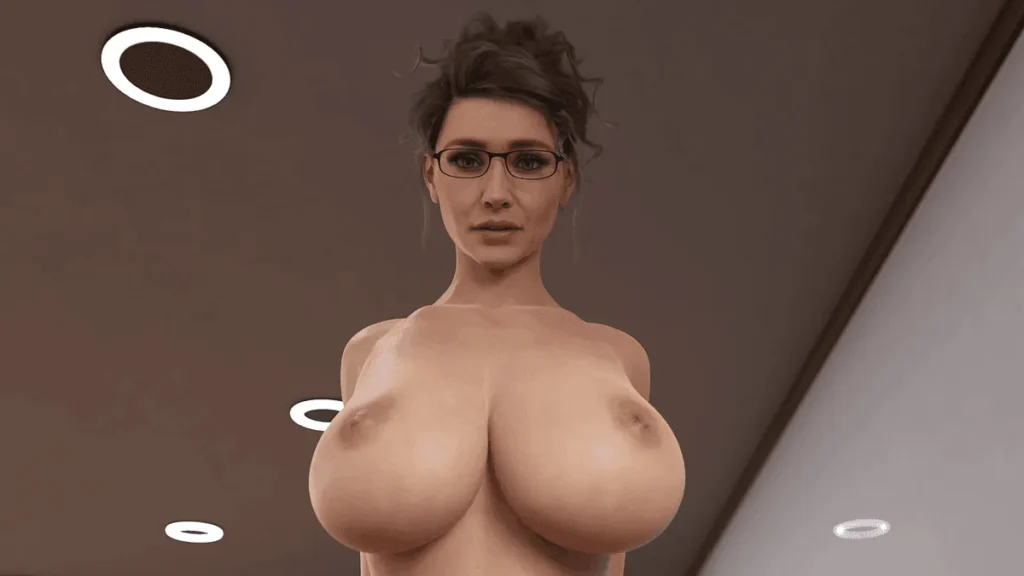
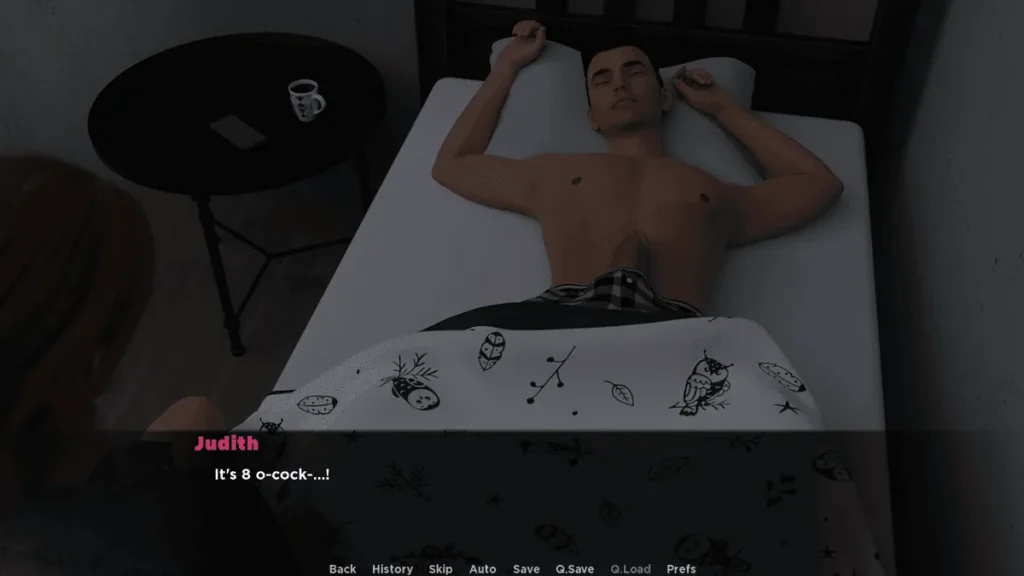

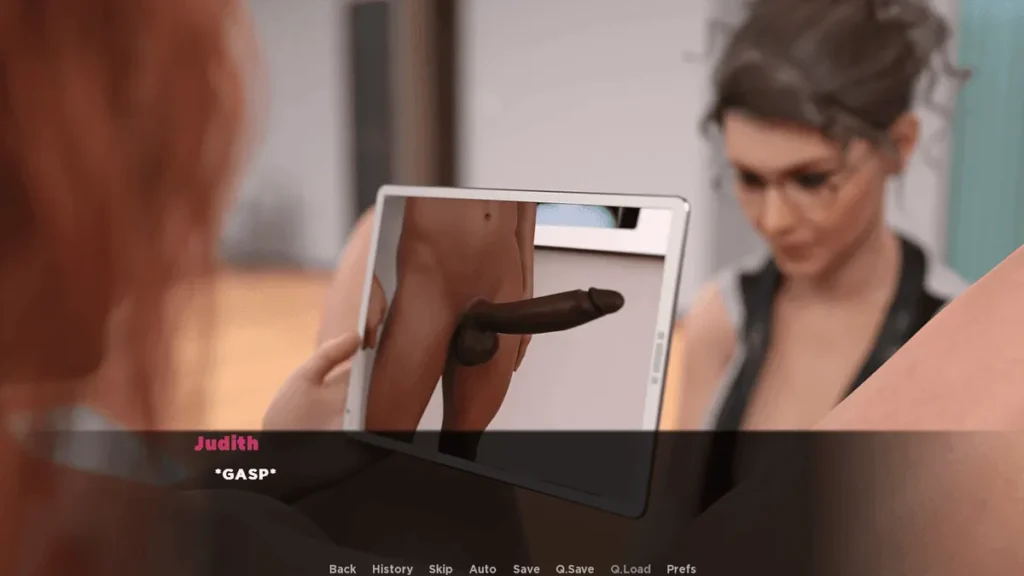




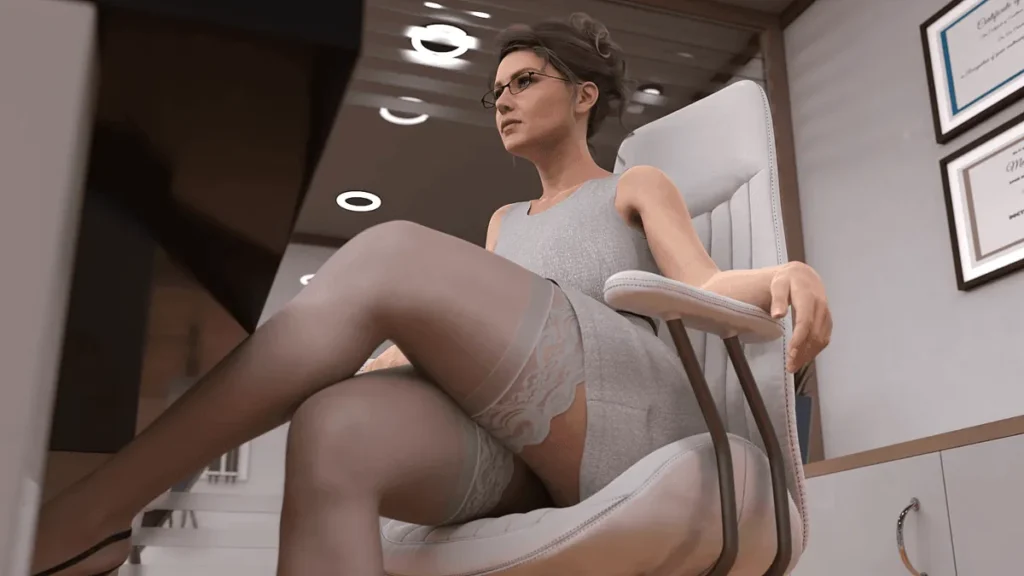


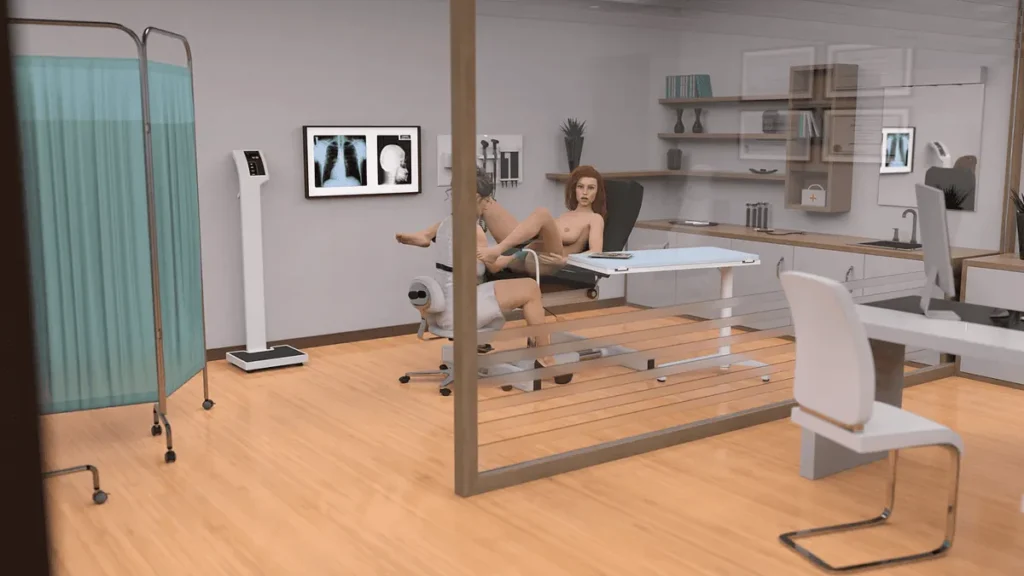





Adverse Effects review
Discover the hidden risks and real player stories behind this controversial porn game
Ever dove into ‘Adverse Effects,’ the porn game that’s got everyone talking, only to feel a strange pull that lingers way too long? You’re not alone. This immersive title blends steamy visuals with addictive mechanics, but beneath the thrill lies a web of adverse effects that can disrupt your life. From escalating cravings to strained relationships, I’ve seen players transform from casual gamers to obsessed users. In this guide, I’ll share my insights, real anecdotes, and practical steps to navigate these pitfalls. Stick around to learn how to enjoy responsibly—or step away before it’s too late.
What Are the Real Adverse Effects of Playing This Game?
It all started so innocently. My buddy, let’s call him Alex, downloaded the Adverse Effects porn game after seeing some hype online. “Just something to kill time,” he said. A couple of rounds a night, no big deal. But fast forward two months, and I was watching a friend disappear. 😟 The late-night sessions bled into early mornings, his focus at work shattered, and that easygoing guy was replaced by someone constantly tired and irritable. He wasn’t just playing a game; he was stuck in a cycle he couldn’t break. His story isn’t unique—it’s a window into the very real adverse effects that this controversial title can have on players.
This chapter isn’t about passing judgment; it’s about pulling back the curtain. We’re going beyond the surface-level controversy to explore the tangible psychological and physical costs reported by players. By understanding what causes game addiction in titles like this, and hearing real Adverse Effects player stories, we can move from a place of worry to one of awareness and control.
How Gameplay Hooks You Into Addiction Cycles
So, how does a game move from casual fun to a consuming habit? The design of Adverse Effects is central to this. It’s engineered to tap directly into your brain’s reward pathways. 🧠 The high-resolution visuals and interactive elements provide an intense, immediate sensory payoff. But the real hook is in systems that mirror those found in casinos: unpredictable rewards.
You might unlock a new scene after three interactions, or it might take ten. This “variable ratio schedule” of reinforcement is powerfully addictive—it’s the same principle that keeps people pulling a slot machine lever. You never know when the next “win” (a new visual, a story branch) is coming, so you keep playing. One player put it perfectly:
‘I thought it was just fun until I couldn’t stop thinking about it during work.’
This leads to a dangerous phenomenon: tolerance. Over time, your brain gets used to the dopamine hits. The content that once thrilled you now feels routine. To chase that original rush, you seek out more extreme in-game scenarios or find yourself playing for longer, more frantic sessions. This escalating need is the core engine of an Adverse Effects addiction. You’re not chasing fun anymore; you’re chasing a neurological response, trying to fill a cup that’s developed a leak. 😥 The gameplay isn’t just entertaining; it’s training your brain to crave it.
Common Psychological Impacts on Players
The gameplay psychological impacts extend far beyond the screen, seeping into a player’s mental and emotional world. For many, the game becomes a primary tool for escapism. Stressed from a bad day? Anxious about real-life problems? Launching the game offers an instant, immersive exit. While temporary relief isn’t inherently bad, when it becomes the only coping mechanism, it prevents you from developing healthier ways to manage stress.
This cycle often breeds a companion: shame. The private, taboo nature of the content can create a powerful internal conflict. Players may feel intense guilt after sessions, which paradoxically can drive them back to the game for more escape from those very feelings. It’s a vicious, isolating loop. 🌀
Furthermore, constant immersion in a fantasy world can subtly distort expectations. The curated, on-demand interactions within Adverse Effects don’t reflect the complex, mutual, and sometimes messy nature of real-world intimacy. This disconnect can lead to dissatisfaction and unrealistic expectations in a player’s personal life. Some Adverse Effects player stories also report increased irritability or agitation, especially when unable to play, highlighting how the game can affect overall emotional regulation.
| Effect | Symptoms | Prevention Tip |
|---|---|---|
| Escapism & Avoidance | Using the game to avoid all negative feelings or real-life tasks; neglect of responsibilities. | Practice the 10-minute rule: When stressed, wait 10 minutes before opening the game. Try a walk or deep breathing first. |
| Shame & Guilt Cycle | Feeling low self-worth after playing, leading to more play to numb the feeling. | Separate the action from your identity. “I played” is different from “I am bad.” Challenge all-or-nothing thinking. |
| Distorted Expectations | Unrealistic views of intimacy; feeling bored or dissatisfied with real-world connections. | Consciously engage in non-digital social activities. Remind yourself that the game is a fantasy, not a blueprint. |
| Mood Dependency | Your mood becomes tied to in-game progress or rewards; irritability when access is denied. | Track your mood in a journal before and after playing. Look for patterns of negative impact. |
| Compulsive Thinking | Intrusive thoughts about the game during work, school, or social time. | Use a “worry dump”: write down the intrusive thought on paper to symbolically get it out of your head. |
| Loss of Interest | Hobbies, friends, and activities you once enjoyed no longer feel stimulating. | Schedule one old hobby per week, even if you don’t feel like it. Re-engagement often follows action. |
Physical Toll: From Fatigue to Deeper Health Issues
Let’s not forget the body. The physical side effects gaming can have are often dismissed as just being “tired,” but they compound into serious health issues. It starts with the obvious: digital eye strain. Hours focused on flashing, high-stimulation visuals lead to sore, dry eyes, blurred vision, and headaches. 🥴
Then comes the sedentary reality. Marathon sessions mean you’re sitting for hours on end. This lack of movement can contribute to weight gain, poor posture leading to chronic back and neck pain, and reduced cardiovascular health. Your body is designed to move, and the immersive pull of Adverse Effects directly fights that.
Perhaps the most disruptive effect is on sleep. The blue light from screens suppresses melatonin, the hormone that tells your body it’s time to rest. Pair that with the mental arousal from the game’s content, and you have a recipe for severe insomnia or fragmented, low-quality sleep. This isn’t just about feeling groggy; chronic sleep disruption weakens your immune system, hampers cognitive function, and worsens mental health struggles.
Finally, a particularly ironic adverse effect reported in some Adverse Effects player stories is a crash in real-world libido. This might seem counterintuitive, but the brain can become desensitized from overstimulation. When the virtual world offers an endless, effortless stream of intense stimulation, it can make the natural, slower-building process of real intimacy seem less appealing or even frustrating, affecting personal relationships.
Actionable Advice: Your phone is your best tool for setting boundaries. Use the native Screen Time or Digital Wellbeing features to set a hard daily limit for the game app. When time’s up, access is blocked. It’s a simple external guardrail while you build internal discipline.
Recovery is possible. Take the case of Mark, a player who recognized his Adverse Effects addiction was costing him his job performance. He quit cold turkey, redirecting the urge to play into learning guitar. The first two weeks were tough, filled with intense cravings. But by week three, his sleep normalized. By month one, his focus at work had returned sharper than ever. He regained hours in his day and, more importantly, a sense of control. His story proves that the gameplay psychological impacts and physical side effects gaming creates can be reversed with decisive action.
The first step is always recognition. Are you playing by choice, or by compulsion? Are you enhancing your leisure time, or escaping from your life? Listen to your body and your mind. The real adverse effects of this game aren’t just in the content—they’re in what it can take from you if left unchecked.
But how does this hit your relationships? 🤔 When the secret world on your screen starts to collide with the real people in your life, a whole new set of challenges arises.
Navigating the adverse effects of ‘Adverse Effects’ doesn’t have to end your gaming journey—it’s about smart boundaries and self-awareness. We’ve unpacked the addiction hooks, mental strains, and physical drains through real stories and tips you can apply today. Remember my friend’s turnaround? He set limits, sought support, and reclaimed his life. If you’re feeling the pull, pause, reflect, and try those mood trackers or timers right now. Share your experiences in the comments—what’s your take on balancing thrills with well-being? Take control, play wisely, and thrive beyond the screen.